• Skip to main content
  • Skip to primary sidebar

Eric Ritter

The SEO Sommelier®

Checklists

Local Service Ads Checklist: Your Guide to Boosting Local Visibility

March 18, 2025 by Editor

Local Service Ads Checklist: Your Guide to Boosting Local Visibility

In today’s highly competitive world of digital marketing, local service ads (LSAs) have emerged as a secret weapon for service-based businesses to attract highly-qualified leads. If you’re frustrated with chasing after cold leads and spending money on clicks that don’t convert into actual business, LSAs might just be the solution you’ve been waiting for. These ads allow you to target local customers who are actively searching for your services, ensuring that you’re reaching the right people at the right time.

This checklist is your comprehensive guide to creating a streamlined LSA strategy, helping your business rise above the noise of local search results, grab the attention of potential clients, and convert visitors into loyal customers with less guesswork and more tangible results. With LSAs, you’re not only optimizing your digital presence but also turning it into a highly-effective marketing tool that drives consistent, high-quality leads. Let’s dive in and start transforming your online visibility into real-world success.

Why Local Service Ads Matters

Local Service Ads offer a unique opportunity for businesses to target users who are actively searching for their services in a specific location. Unlike traditional pay-per-click (PPC) ads, LSAs focus on generating high-quality leads by displaying businesses at the top of Google search results, above organic listings and standard Google ads. By incorporating trust-building features such as the Google Guaranteed badge, LSAs help businesses earn customer trust while ensuring they’re not wasting money on irrelevant clicks. This means more qualified leads, higher conversions, and a clearer path to scaling your business.

  • Generate Pre-Qualified Leads: LSAs only charge you for actual leads, not clicks, ensuring you’re paying for real potential customers who are ready to engage with your business.
  • Build Trust with the Google Guaranteed Badge: When your business is Google Guaranteed, it adds a layer of credibility that assures customers their background checks, licenses, and insurance are verified.
  • Increase Local Visibility: LSAs prioritize businesses within a specific geographic region, making it easier for customers to find service providers near them, which is crucial for local service businesses.
  • Simplify Customer Interaction: Potential customers can directly call or message your business without even visiting your website, making the process quick and easy.

The Local Service Ads Checklist

Image2

Let’s break down each section of this checklist with actionable steps and insights.

1. Set Up and Verify Your Profile

The foundation of a successful Local Service Ads campaign starts with a solid profile. Make sure all business details are accurate and complete. Google’s verification process plays a pivotal role in your success, so passing the screening process is essential.

Action Steps:

  • Create a Google Business Profile: Make sure you list all the essential information such as your business name, phone number, and services offered.
  • Pass Google’s Screening Process: Complete the verification steps, including a background check and license validation, to earn the coveted Google Guaranteed badge.
  • Ensure Accurate Business Details: Double-check all your information to avoid discrepancies and ensure customers can easily contact you.

Helpful Links:

  • Sign up for Business Profile
  • Google My Business Guide

Pro Tip: Be prepared for a potentially lengthy verification process. It can take from a few days to up to 6 weeks, so plan accordingly to avoid any delays in starting your campaigns.

2. Get Reviews

Customer reviews are one of the most powerful tools in your arsenal. They not only build trust with potential clients but also boost your rankings in search results, making it easier for local customers to find you.

Action Steps:

  • Encourage Reviews: Ask satisfied customers to leave positive reviews after services are rendered. Aim for consistent, high-quality feedback.
  • Respond to Reviews: Engage with customers by thanking them for their reviews, addressing any concerns, and showing you care.
  • Monitor Your Reviews: Regularly check and update your reviews to ensure they reflect the high quality of your services.

Helpful Links:

  • Tips to get more Google reviews
  • How to Ask & Get Good Customer Reviews

Pro Tip: Happy clients are more likely to leave positive reviews. Develop a system that encourages review submissions post-service, like a follow-up email or a prompt on your business site.

3. Optimize Your Service Area

Focusing your LSA campaign on the most valuable regions for your business ensures your budget is used efficiently, driving relevant local leads. Optimizing your service area is essential for getting the best ROI.

Action Steps:

  • Define Your Service Area: Focus on areas with the highest customer potential, avoiding a “one-size-fits-all” approach.
  • Refine Your Targeting: Periodically review which regions bring in the most quality leads and make adjustments as necessary.
  • Monitor Competitors: Keep an eye on local competitors to ensure you’re not missing out on high-value regions.

Helpful Links:

  • Manage your service areas

Pro Tip: Start small and grow your target areas over time. You can always expand your reach once you’ve optimized and learned what works best for your business.

4. Monitor Lead Quality

The quality of leads you generate through LSAs is what ultimately determines your success. Tracking and refining your lead quality ensures you’re not wasting time or money on irrelevant inquiries.

Action Steps:

  • Track Conversion Rates: Use lead tracking dashboards to monitor how many leads convert into actual customers.
  • Refine Your Job Type: Adjust your service areas and job types to focus on the most profitable leads.
  • Use Filters: Utilize Google’s filtering tools to ensure only the most relevant leads are reaching you.

Helpful Links:

  • Lead Quality: The Key to Closing More Deals With Less Effort
  • What Is Lead Quality? And How to Measure It

Pro Tip: Lead quality is more important than quantity. Be selective about who you’re targeting to make sure the leads that come in are genuinely interested in your services.

5. Measure ROI

To fully understand whether your Local Service Ads campaign is worth the investment, you need to track your cost per lead (CPL) and conversion rates. Analyzing these metrics will help you optimize your strategy.

Action Steps:

  • Track Cost Per Lead: Regularly monitor how much you’re spending for each lead and ensure it stays within budget.
  • Calculate Return on Investment: Measure the revenue you’re making from LSAs against your total spend to see what’s working.
  • Adjust Your Budget: Tweak your ad spend based on lead quality, adjusting for the highest performing ads.

Helpful Links:

  • View reports on Local Services Ads

Pro Tip: Use your ad performance data to adjust your bids. Lower CPL doesn’t always mean better results—track conversions to ensure your leads are turning into customers.

6. Respond Quickly

Google prioritizes businesses that respond quickly to incoming leads. The faster you reply to inquiries, the more likely you are to get high-quality leads and improve your visibility in the search rankings.

Action Steps:

  • Set Up Automated Responses: Quickly acknowledge incoming leads to keep the conversation going.
  • Engage Promptly: Aim to respond to calls and messages within minutes to increase your chances of conversion.
  • Use Call Tracking: Monitor how fast you’re responding to ensure your team is on track.

Pro Tip: Speed matters! Develop an internal system or automation for faster responses. A quick follow-up could make the difference between converting a lead or losing it.


The Impact of Google Reviews

While we covered reviews in the checklist, let’s take a moment to understand their true impact. Google Reviews do more than just improve rankings—they build trust, improve your local SEO, and turn happy clients into repeat customers. A solid reputation can often be the tipping point for people choosing between you and a competitor.

Encourage clients to leave detailed reviews, not just simple ratings. The more specific and heartfelt the review, the more trust it builds with new customers. Make it a part of your follow-up system to remind clients to leave feedback.


Why This Local Service Ads Is Your Secret Weapon

Navigating the digital marketing landscape requires a strategic, hands-on approach. This checklist will guide you through creating a high-performing Local Service Ads strategy, helping you stand out in local searches, build trust with potential clients, and generate quality leads that convert. Cheers to your local service success!

Download the Local Service Ads Checklist Now

Ready to dive deeper into Local Service Ads? Download the full checklist to geTt step-by-step instructions and pro tips for optimizing your local service ads. If you’re looking for a more personalized assessment, contact Eric Ritter, the SEO Sommelier, for a Neighborly Roadmap tailored to your business.

  • LinkedIn
  • YouTube
  • Spotify

Filed Under: Checklists

Social Media Checklist: Your Roadmap to Online Success

March 11, 2025 by Editor

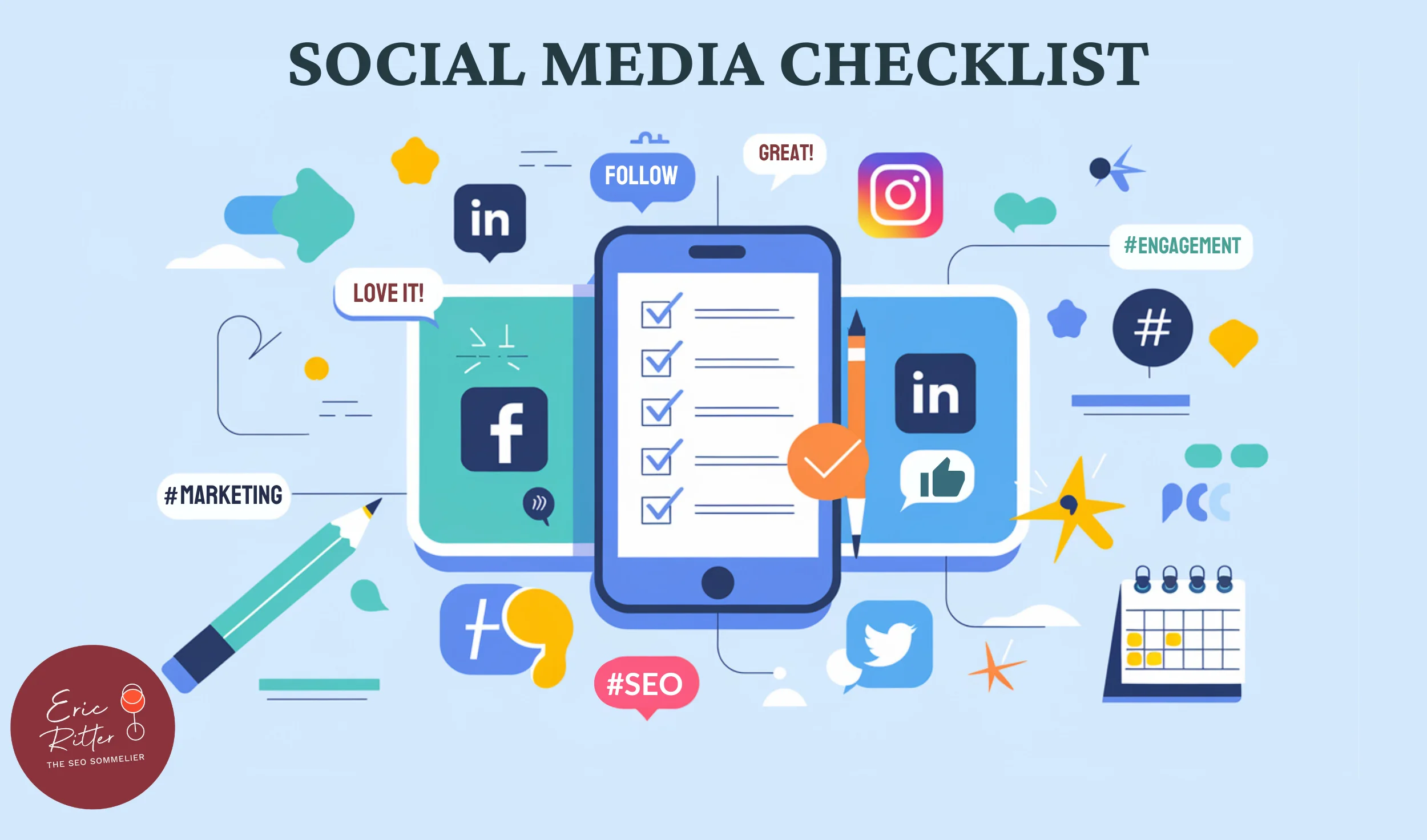
Social media is the bustling marketplace of the digital age—a place where brands connect, engage, and build lasting relationships with their audience. But without a strategy, it’s easy to get lost in the noise. That’s where a structured social media strategy comes into play.

Whether you’re an entrepreneur, a lawyer, or part of an SEO agency looking to enhance your online presence, this checklist will guide you through the must-follow steps to master social media marketing. From setting goals to leveraging analytics, we’re covering the fundamentals that will help you create a compelling and engaging presence on any platform. Let’s dive into the essentials of crafting the perfect social media strategy!

Why Social Media Matters

Social media isn’t just for sharing memes and vacation photos—it’s a powerful tool that shapes brand identity, builds communities, and drives business growth. With billions of users worldwide, social media marketing is a direct channel to your audience, where you can create meaningful conversations and turn followers into customers. Here are some of its main benefits:

  • Expands Brand Awareness: Your brand becomes visible to a global audience, helping you establish credibility and recognition.
  • Boosts Engagement & Trust: Engaging with your audience fosters a sense of connection, increasing brand loyalty and customer retention.
  • Drives Conversions: A well-executed social media strategy directs potential customers to your website or products, leading to higher conversions.
  • Provides Valuable Insights: Data-driven marketing helps businesses refine their strategies and focus on what truly resonates with their audience.

The Social Media Checklist

Your Roadmap to Online Success

Let’s break down each section of this checklist with actionable steps and insights.

1. Set SMART Goals

Goals are the foundation of a successful social media strategy. Without them, you’re navigating without a map. SMART goals—Specific, Measurable, Achievable, Relevant, and Time-bound—ensure that your efforts yield results.

Action Steps:

  • Define Clear Objectives: Whether it’s engagement, lead generation, or brand awareness, establish what success looks like.
  • Assign Measurable Targets: Set numeric benchmarks like follower growth, website clicks, or engagement rates.
  • Set a Realistic Timeline:  Determine when you expect to achieve your goals and adjust your efforts accordingly.
  • Align Goals with Business Strategy: Ensure your social media efforts contribute to your broader marketing and business objectives.

Helpful Links:

  • How To Set Strategic Social Media Goals
  • 9 SMART Social Media Marketing Goals For You to Set in 2024

Pro Tip: Review and refine your goals regularly to stay aligned with business growth and platform updates.

2. Identify Your Platforms

Not all social media platforms serve the same purpose. Identifying the best ones for your brand ensures that you reach your ideal audience effectively.

Action Steps:

  • Analyze Your Audience: Research where your target demographic spends their time online.
  • Evaluate Platform Strengths: LinkedIn is great for B2B, while Instagram and TikTok are ideal for visual storytelling.
  • Adapt Content for Each Platform: Tailor your messaging and visuals to fit each platform’s style and best practices.

Helpful Links:

  • What a Social Media Target Audience Is and How to Find It
  • How to identify the best social media platforms for your brand

Pro Tip: Avoid spreading yourself too thin—focus on 2-3 platforms that align best with your brand’s objectives.

3. Leverage Video Content

Video content is king in social media marketing. It captures attention, encourages engagement, and performs exceptionally well in algorithms.

Action Steps:

  • Use Short-Form Videos: Platforms like Instagram Reels and TikTok favor quick, engaging content.
  • Create Value-Driven Content: Provide tutorials, behind-the-scenes insights, or customer testimonials.
  • Optimize for Mobile: Ensure videos are formatted correctly for mobile viewing.
  • Include Subtitles: Many users watch videos without sound—subtitles keep them engaged.

Helpful Links:

  • Video Tips and Data, According to Video Marketers
  • Video Marketing Strategy: Harness the Power of Video
  • Why Short-Form Video Is the Future Of Lead Generation

Pro Tip: Invest in premium themes from reputable sources to get regular updates and support.

4. Use Analytics to Guide Your Strategy

Data-driven decisions prevent guesswork and ensure continuous improvement.

Action Steps:

  • Track Key Metrics – Engagement rates, follower growth, and conversion rates provide essential insights.
  • Use Platform Analytics – Facebook Insights, Instagram Analytics, and LinkedIn Analytics offer valuable performance data.
  • Adjust Strategy Accordingly – Identify what’s working and refine underperforming areas.

Helpful Links:

  • Social Media Analytics: The Ultimate Guide
  • The 20 Best Social Media Analytics Tools for Marketers in 2024
  • 23 Top Social Media Analytics Tools in 2025

Pro Tip: Regularly check insights and adjust your content strategy for continuous growth.

5. Experiment and Adapt

Social media trends change rapidly. Flexibility is key to staying relevant.

Action Steps:

  • Test New Formats – Try out new features like Instagram Reels, Twitter Spaces, or LinkedIn articles.
  • Monitor Competitors – Stay aware of emerging trends in your industry.
  • Gather Audience Feedback – Direct messages, polls, and engagement patterns reveal valuable insights.
  • Stay Open to Change – Adapt your content strategy based on data and evolving trends.

Helpful Links:

  • 3 Ways to Easily Monitor Your WordPress Site’s Uptime
  • How to Backup Your WordPress Site (5 Easy Ways)
  • How To Backup WordPress Files and Databases

Pro Tip: Don’t be afraid to repurpose content that performs well on one platform into another format for a different channel.

6. Build a Content Calendar

Consistency is crucial in social media marketing. A content calendar helps plan and schedule posts in advance.

Action Steps:

  • Schedule Ahead: Don’t rely on just your memory for posting or creating content; set time apart for it and commit to following through. Procrastination is consistency’s number one enemy.
  • Plan Content Weekly or Monthly: Outline topics, formats, and posting schedules.
  • Use Scheduling Tools: Tools like Buffer or Hootsuite help maintain a consistent posting rhythm.
  • Keep Flexibility: Adapt to trends and real-time events while maintaining structure.

Helpful Links:

  • Social Media Calendar Template: The 10 Best for Marketers
  • Social media calendar template
  • How to Plan Your Monthly Content Calendar: Tips and Tricks

Pro Tip: Batch-create content to save time and ensure consistency in messaging, but remember that quality content wins over quantity.

7. Engage With Your Audience

Social media is a conversation, not a monologue. Engaging with your audience fosters trust and community.

Action Steps:

  • Respond to Comments and Messages: Show appreciation and encourage discussions.
  • Ask Questions & Polls: Involve followers in decision-making and gather more info about your audience preferences.
  • Feature User-Generated Content: Showcase audience contributions to build loyalty.
  • Join Relevant Conversations: Participate in industry discussions.

Pro Tip: Personalized responses enhance brand credibility and foster stronger relationships.

8. Invest in Paid Ads Strategically

Paid ads amplify reach and boost engagement when organic strategies fall short, but it’s not about throwing money at it: you have to approach it in the right way.

Action Steps:

  • Align With Your Goals: Ads are a way to a mean, make sure you’re investing in a way that matches the goals you set for your business.
  • Test and Optimize: Test different formats such as carousels, video ads, lead gen forms and adapt them to the platform. Some perform better depending on whether you’re on TikTok, Facebook, or other platforms.
  • Refine Audience Targeting – Ensure ads reach the right people; reaching a broad audience with zero interest will not give you a great ROI.

Pro Tip:  Using high-performing organic posts as a base for paid promotions is a good strategy for getting quality content in front of your target audience.


9. Stay Ahead of Trends

Trends are ever-changing; they come up and go away faster every day. You need to keep up with social media trends to stay relevant and competitive.

Action Steps:

  • Use the Platforms: Whether you like it or not, using the platforms you’re posting content to, it’s going to give you a first-hand experience of how people interact with it, what’s trending, and how to reach its users best.
  • Stay Updated on News: Stay up to date on what’s going on the day-to-day world to get a better understanding on what to focus on when planning and creating your content.
  • Experiment with Emerging Features: Explore new content formats, interactive tools, and engagement methods to see what resonates best with your audience.

Pro Tip:  Encourage user-generated content to build authenticity and trust while expanding brand visibility through real people experiences.


The Power of Social Commerce

Social commerce is revolutionizing how businesses sell products. With Instagram Shops, TikTok Shopping, and Facebook Marketplace, brands can now sell directly within social platforms—eliminating the need for extra clicks and streamlining the buyer’s journey.

Why is this important?

  • Frictionless Shopping Experience: Customers can browse and purchase without leaving their favorite platform.
  • Boosted Impulse Purchases: Engaging content paired with easy checkout increases conversions as the decision-making process is greatly simplified.
  • Seamless Integration with Marketing: Social commerce allows for direct-to-consumer engagement through ads and organic content.

Why This Social Media Checklist Is Your Secret Weapon

The digital marketing world is ever-evolving, and staying ahead requires a proactive approach. Use this checklist to build a strong social media marketing strategy that drives engagement, builds brand awareness, and ultimately converts followers into loyal customers. Cheers to your social media marketing success!

Download the Social Media Checklist Now

Ready to dive deeper into Email Marketing? Download the full checklist to get step-by-step instructions and pro tips for optimizing your social media marketing. If you’re looking for a more personalized assessment, contact Eric Ritter, the SEO Sommelier, for a Neighborly Roadmap tailored to your business.


Filed Under: Checklists

Website Security Checklist: Your Path to a Safe and Reliable Site

February 5, 2025 by Editor

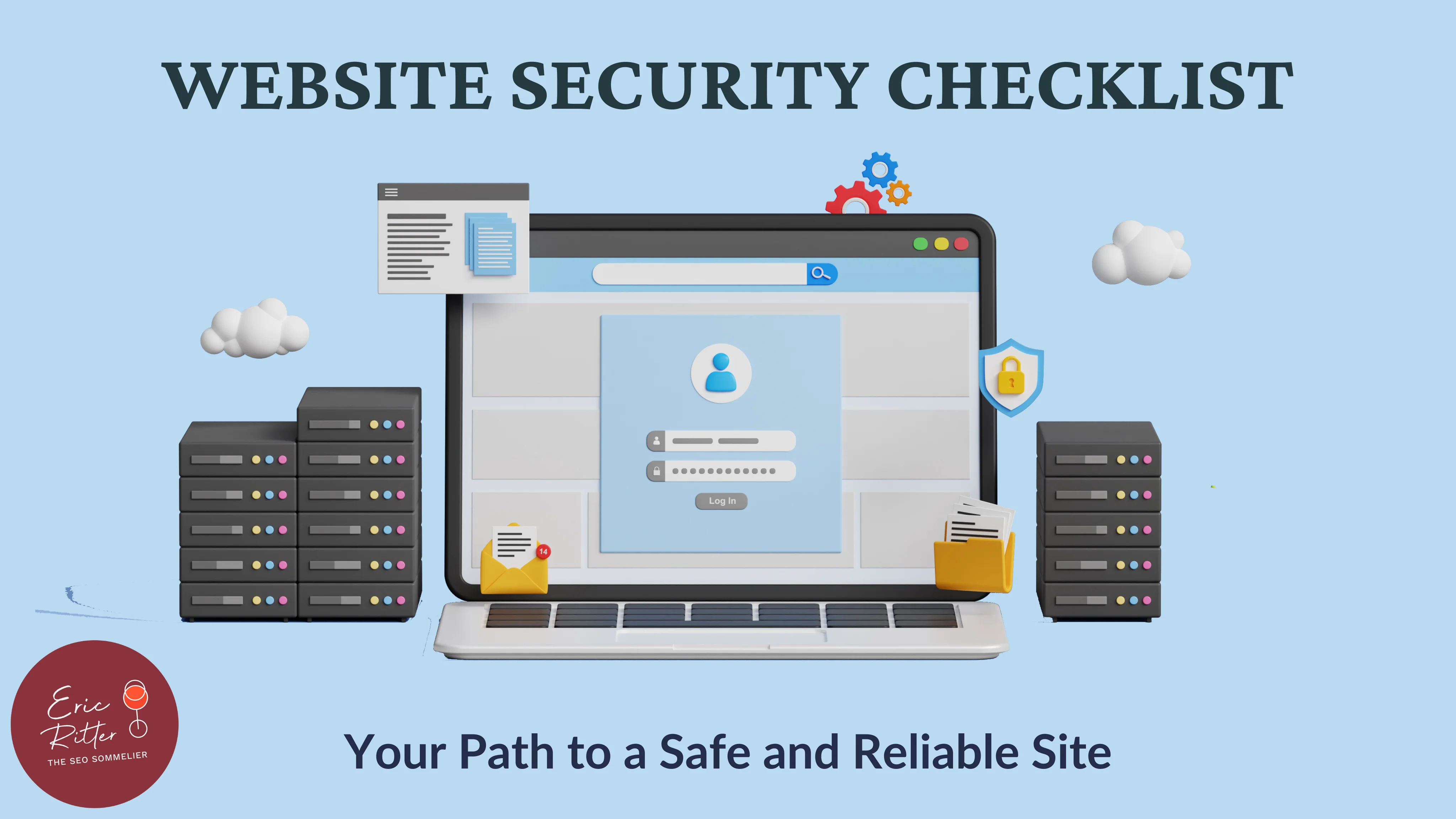
Website Security Checklist: Your Path to a Safe and Reliable Site

Imagine investing in a beautifully designed website only to have it compromised because of a preventable security flaw. For businesses, a website isn’t just an online presence; it’s your storefront, your portfolio, and a critical part of your brand. Yet, many site owners underestimate the importance of ongoing maintenance and security for WordPress sites.

WordPress powers over 40% of the web, making it a prime target for vulnerabilities if not properly maintained. That’s where WordPress security and maintenance come into play. This guide is your ultimate checklist to ensure your site stays secure, performs optimally, and provides a seamless user experience for visitors.

Why Website Security Matters

Securing and maintaining your WordPress site is vital for both functionality and long-term success. By prioritizing security, you protect your business, enhance user trust, and ensure optimal performance. Taking proactive measures reduces risks and ensures your online presence remains robust and trustworthy. Here are the key benefits:

  • Protects Your Reputation: Guard your brand against the negative impact of hacking incidents or data breaches by meeting industry security standards and safeguard user data from potential threats.
  • Improves Performance: Enhanced load times and smooth functionality keep visitors engaged and satisfied. Proactive maintenance reduces the risk of costly and disruptive outages that could affect your business. 
  • Enhances SEO Rankings: Secure, optimized websites are prioritized by search engines, improving visibility and traffic.

Let’s dive into why Website Security matters and the actionable steps you can take to safeguard your site.

The Crucial Website Security Checklist

Website Security Checklist: Your Path to a Safe and Reliable Site

Let’s break down each section of this checklist with actionable steps and insights.

1. WordPress Core Updates

WordPress is software, and like any software, it requires updates to patch vulnerabilities and enhance functionality. Staying up to date is critical to protecting your site.

Action Steps:

  • Check periodically: Get used to checking periodically if there are new updates for WordPress. Checking weekly is a good rule of thumb. 
  • Test updates: Testing on a staging site before implementing will ensure the update is compatible with every element of your site and you will avoid potential crashes. 
  • Consider hiring an expert: As important as they are, updates can break your website if not handled properly. In WordPress there are different components, designed by different parties, working together, making sure everything works together smoothly can be tricky.

WordPress Core Updates Helpful Links:

  • How to Update WordPress Manually and Automatically
  • How to Safely Update WordPress

Pro Tip: Schedule regular maintenance windows to apply updates without disrupting users.

2. Plugin Updates

Plugins add functionality but can become liabilities if outdated. And even so, a whole website can come down because of updating one plugin. Being prudent is crucial.

Action Steps:

  • Test first: you don’t have to rush into updating everything the minute a new update is available. The first step is testing its compatibility with other parts of the site.
  • Deactivate and remove: minimize vulnerabilities by removing any unused or inactive plugins.

Plugin Updates Helpful Links:

  • Update Failed WordPress Plugin: Fix It
  • How to Properly Update WordPress Plugins
  • The Best SEO Plugin for WordPress

Pro Tip: Use a plugin management tool to streamline updates and compatibility checks.

3. Theme Updates

Your WordPress theme controls your site’s appearance and layout. If you aren’t keeping your themes updated, you risk running into security holes and compatibility issues with other plugins or even with WordPress core.

Action Steps:

  • Use a child theme: this sub-theme will help you preserve customizations while implementing updates.
  • Choose carefully: Avoid themes from unreliable or unsupported developers.

Theme Updates Helpful Links:

  • WordPress Theme Issues: 10 Common Problems
  • How to Update a WordPress Theme without Losing Customization

Pro Tip: Authenticity is key. Avoid clickbait—nobody likes to feel deceived.

4. 24/7 Monitoring

Websites operate around the clock, and users never sleep. Real-time monitoring is crucial for identifying and addressing issues promptly.

Action Steps:

  • Track uptime: Use monitoring tools to track uptime and receive real-time alerts of any issue that might make your site unavailable to users.
  • Automate scans: Websites can go down for even the minor of reasons. Schedule malware scans to detect vulnerabilities.
  • Set alerts: Configure alerts for unusual activity, like spikes in traffic or unauthorized login attempts.

Monitoring Helpful Links:

  • How to Monitor Your WordPress Website Server Uptime
  • 8 Tools for Managing Multiple Websites on WordPress
  • 3 Ways to Easily Monitor Your WordPress Site’s Uptime

Pro Tip: Partner with a managed WordPress security service for comprehensive monitoring and quick incident response.

5. Backups

A big part of doing marketing and SEO is doing website updates, and updating the website, whether that’s content, or a button, could cause the website to crash. That’s why backups are your safety net.

Action Steps:

  • Automate: Schedule daily backups for both your site and database. Use automated backup solutions with versioning to easily roll back to a specific point in time.
  • Store: Use multiple locations, such as the cloud and external storage, to make sure you always have them available in case anything goes wrong. 
  • Test: Regularly test backups to confirm they can be restored successfully.

Backups Helpful Links:

  • Automated Website Backups: Everything You Need To Know
  • How to Backup Your WordPress Site (5 Easy Ways)
  • How To Backup WordPress Files and Databases

Pro Tip: Most popular packages for WordPress Security and Maintenance services offer daily backups.

6. SSL Setup

An SSL certificate encrypts data transferred between your site and users, ensuring privacy and building trust.

Optimizing Landing Pages Action Steps:

  • Install SSL: Purchase and set up an SSL certificate for your domain.
  • Renew certificates: Monitor expiration dates and renew as needed.
  • Leverage hosting providers: Many hosting providers include free SSL certificates—make sure to take advantage of this.

SSL Certificate Helpful Links:

  • Why SSL is Important For Your WordPress Site
  • Everything You Need to Know About SSL Certificates
  • What is: SSL

Pro Tip:SSL certificates are not only essential for security, they are also crucial for SEO. Not having one will make your website go ignored by Google and avoided by users who don’t feel safe in it.

7. Monthly Reporting

Reporting helps you stay informed about your website’s health and security status, allowing for proactive maintenance. You might not keep a daily track, but a monthly one is a must.

Action Steps:

  • Review metrics: Check server response times, uptime statistics, version of WordPress core, broken links, and security alerts.
  • Track updates: Ensure plugins, themes, and core files are current.
  • Analyze traffic: Use analytics to monitor trends and spot potential issues.

Automation Helpful Links:

  • 6 Email Marketing Automation Ideas
  • What is Email Automation? A Beginner’s Guide

Pro Tip: Create a dashboard that consolidates key metrics for an at-a-glance view of your website’s performance.


The Intersection of Security and SEO

A secure website does more than protect data—it directly impacts your SEO. Search engines reward sites with SSL certificates, fast load times, and minimal downtime. By implementing this checklist, you’re not only safeguarding your site but also improving your visibility in search results.

Key takeaways:

  • Secure websites provide a better user experience, reducing bounce rates.
  • Google prioritizes secure sites with HTTPS in its rankings.
  • Regular updates ensure your site complies with Google’s core web vitals.

By focusing on both security and SEO, you’re building a site that performs well for both users and search engines.


Why This Email Marketing Checklist Is Your Secret Weapon

Following this list will allow you to keep your site protected, functioning properly, and showing up in your target audience searches while ensuring you are always prepared to tackle any problem right away.

Download the PPC Checklist Now

Ready to dive deeper into Website Security? Download the checklist to get step-by-step instructions and pro tips for optimizing your Website Security. If you’re looking for a more personalized assessment, contact Eric Ritter, the SEO Sommelier, for a Neighborly Roadmap tailored to your business.

Filed Under: Checklists, SEO Tagged With: Featured

Email Marketing Checklist: Your Guide to Campaign Success

January 13, 2025 by Editor

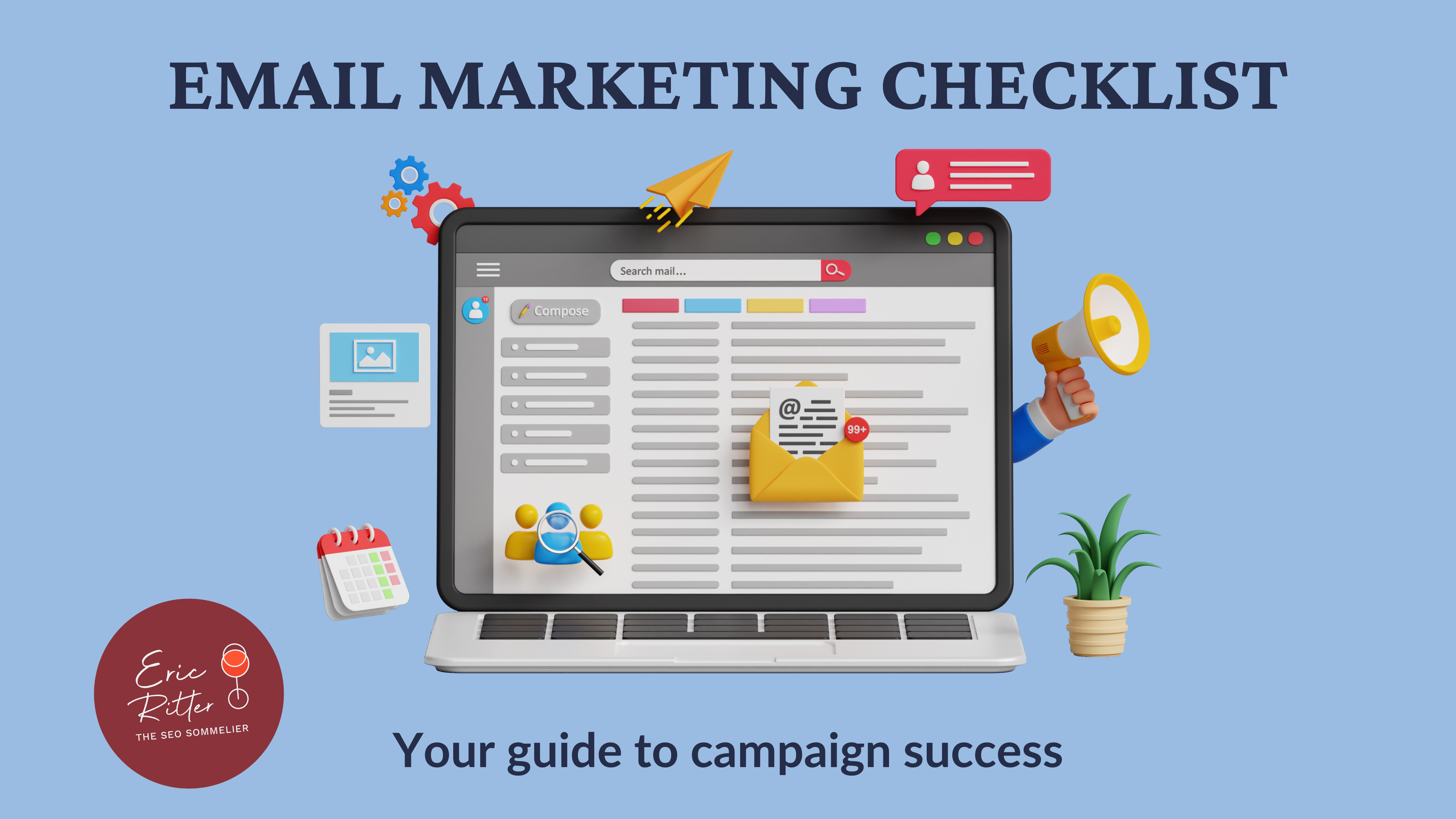
Email Marketing: Your Guide to Paid Campaign Success

Years ago, with the rise of social media, email marketing was pronounced dead. But nowadays, it has risen from its grave and evolved as a reliable tool for engaging with the audience, consolidating brand identity, and driving conversions.

Think of email as the evolution of handwritten letters—a medium where care, authenticity, and value shine through. Following the right approach, email marketing can be an impactful channel for building and strengthening relationships and driving measurable results. Ready to make email marketing work for you? Let’s dive into why it matters and how to do it right.

Why Email Marketing Matters

Email marketing is a cornerstone of any digital strategy, offering numerous advantages for businesses of all sizes. Beyond its measurable ROI and ability to drive conversions, it serves as an additional touchpoint in your customer’s journey. It nurtures relationships and reinforces your brand messaging. Here are the key benefits:

  • Re-engage Customers: Stay top-of-mind with existing and potential customers and bring them back to your website or store. Guide them toward the final step in their customer journey.
  • Consolidate Your Brand Identity: Build a consistent and memorable brand presence in your audience’s inbox. Strengthen trust and showcase your expertise by sending emails on topics relevant to your audience.
  • Drive Conversions: Generate sales and leads with well-timed, targeted messages, follow-ups and calls to action. Personalized follow-ups can nudge customers to complete their purchases, turning interest into conversions.

Want to learn how to elevate your email marketing game? Let’s dive into the actionable steps laid out in this Email Marketing Checklist.

The Essential Email Marketing Checklist

Let’s break down each section of this checklist with actionable steps and insights.

1. Build Your Email Database

A thriving email campaign starts with the right list of subscribers. Make it easy for people to join your list through both digital and offline methods. Keep building and growing your database.

Action Steps:

  • Create Pop-Up Forms: Use intuitive pop-ups on your website to capture visitor emails. 
  • Leverage Offline Opportunities: Combine the traditional method with the digital medium. Use sign-up sheets at your store’s register or during events to connect offline visitors to your online campaigns.
  • Cross-Promote on Social Media: Share the benefits of joining your email list with your followers. Redirect them to your website to subscribe to your newsletter or to access exclusive offers. 
  • Use Incentives: Use clear incentives, like discounts, early access to promotions, exclusive content or loyalty rewards.

Email Database Building Helpful Links:

  • How to Build an Email List
  • 7 Ways to Grow Your Email List

Pro Tip: Always prioritize quality over quantity—be cautious of buying email lists if you want to maintain your sender reputation. Some platforms like Mailchimp and HubSpot won’t even allow you to upload purchased lists.

2. Segment Your Audience

Personalization is key to stand out. Not all customers are the same, so you will want to avoid sending generic, repetitive emails.

Action Steps:

  • Use Demographics: Use the conventional segmentation: group by age, location, or interests to tailor content.
  • Identify Purchase Behavior: Customize emails based on whether someone has purchased before, is a frequent customer, or is a brand new potential client. This way, your emails will align with their experience with your business and stage in their buying journey.
  • Cater to Preferences: Different audiences will value different ways. For example, Gen Z appreciates individuality and authenticity and will favor content that reflects that.

Audience Segmentation Helpful Links:

  • The Importance Of Email Segmentation For Your Campaigns
  • 30 Ways to Slice Your Email Database
  • Gen Z: What The Coming Generation Wants In Their Inbox

Pro Tip: Personalized emails can generate higher transaction rates. People are more inclined to interact with content that resonates with them. Start small and refine over time.

3. Craft Compelling Subject Lines

The subject line is the most important part of your email. In as little as 3 seconds or less, the recipient will decide whether to open the email or ignore it.

Action Steps:

  • Keep it Short: Aim for subject lines of 50 characters or 10 words, or even less. It has to be one line that doesn’t get cut off. 
  • Be Clear: Be descriptive and make sure that what you offer in the subject line aligns with the body of the email.
  • Make it Engaging: Use relatable language, pose intriguing questions, or highlight benefits to encourage readers to open and engage with your emails.

Subject Lines Helpful Links:

  • 22 Tips to Write Catchy Email Subject Lines
  • Best Practices for Email Subject Lines

Pro Tip: Authenticity is key. Avoid clickbait—nobody likes to feel deceived.

4. Design For Mobile

With almost 50 % of emails opened on mobile devices, responsive design is crucial to deliver a seamless experience.

Action Steps:

  • Optimize For Every Device: Ensure your email layout looks good and adjusts smoothly to fit all screen sizes, from smartphones to tablets and desktops.
  • Highlight CTAs: Make your call-to-action buttons bold, prominent, and easy to tap, ensuring they’re not too small or buried in the content.
  • Test Load Times: Optimize image sizes and compress files to ensure fast loading on mobile devices without compromising quality.

Mobile Optimization Helpful Links:

  • Mobile Email Optimization: A 5-Step Guide
  • Responsive Emails: Designs, Templates, and Examples for 2024
  • Impact of Mobile Use on Email Engagement

Pro Tip: An unresponsive design or hard-to-access CTAs frustrate users and reduce engagement. Always test emails across a variety of devices and operating systems to ensure a consistent user experience.

5. Test & Optimize

Testing and optimizing are crucial for every digital strategy. Nothing is perfect out of the gate, keep testing and adjusting as needed.

Action Steps:

  • Run A/B Tests: Experiment with different subject lines, formats, and send times to see what resonates best with your audience.
  • Analyze Results: Use email marketing platforms to evaluate key metrics such as open rates, click-through rates, and conversions for each test.
  • Iterate and Improve: Apply the insights gained from testing to fine-tune your campaigns, ensuring each iteration performs better than the last.

Testing & Optimizing Helpful Links:

  • Subject Line Helper – Mailchimp
  • Test the Spamyness of your Emails

Pro Tip: Leverage tools like Mailchimp’s time optimization feature to send emails at moments when recipients are most likely to engage.

6. Track Key Metrics

Keeping track of the relevant metrics for your business is an ongoing and necessary effort to ensure your campaigns deliver ROI and meet the goals.

Optimizing Landing Pages Action Steps:

  • Identify Metrics: Determine which metrics align with your campaign goals, whether it’s conversions, audience engagement, or brand visibility.
  • Calculate Your Email’s Worth: Use tools like Google Analytics to evaluate the monetary value generated by your email campaigns.
  • Apply Your Findings: Adjust your strategy based on data to optimize results. Which emails are getting better results? Those with more or fewer graphics? Shorter or longer emails? 

Email Metrics Helpful Links:

  • How can you measure email newsletter ROI with Google Analytics?
  • 8 Email Marketing Metrics You Should Track

Pro Tip: Always align your email performance metrics with your broader business objectives for maximum impact.

7. Automate Your Campaigns

Leverage automation in your campaigns to maintain consistent engagement at every stage of the customer journey.

Action Steps:

  • Set Up Welcome Sequences: Engage new subscribers with a series of personalized emails that introduce your brand and offerings.
  • Enable Re-Engagement Campaigns: Target inactive subscribers with special offers or updates to rekindle their interest.
  • Create Abandoned Cart Emails: Encourage customers to complete their purchases by sending reminders and exclusive discounts for items left in their carts.

Automation Helpful Links:

  • 6 Email Marketing Automation Ideas
  • What is Email Automation? A Beginner’s Guide

Pro Tip: Automation not only saves time but also ensures your audience receives timely, relevant messages while freeing up your team’s resources for strategic tasks.


Email Marketing Best Practices

Email marketing works best when it’s engaging, valuable, and respectful of your audience’s preferences. Adhering to legal guidelines like the Federal Trade Commission’s CAN-SPAM Act is essential to maintaining trust and credibility.

This includes ensuring every email has a clear “From” and “Subject” line, displaying your business’s name and valid physical address, and letting recipients know how they got on your list. Transparency and respect go a long way in building audience trust and loyalty.

  • Don’t use false or misleading information: The “From,” “To,” “Reply-To,” and “Subject” fields must accurately reflect the content and identify your business.
  • Include a Physical Address: Every email must display your business’s valid physical address.
  • Honor Opt-Out Requests: Provide a clear, easy way to unsubscribe and act on these requests promptly.

Access here the full CAN-SPAM Act: A Compliance Guide for Business.


Why This Email Marketing Checklist Is Your Secret Weapon

By following this checklist, you’ll set the stage for email marketing campaigns that captivate, convert, and build lasting relationships. Cheers to your email marketing success!

Download the PPC Checklist Now

Ready to dive deeper into Email Marketing? Download the full checklist to get step-by-step instructions and pro tips for optimizing your Email Marketing campaigns. If you’re looking for a more personalized assessment, contact Eric Ritter, the SEO Sommelier, for a Neighborly Roadmap tailored to your business.

Filed Under: Checklists, SEO Tagged With: Featured

Local SEO Checklist: The Ultimate Guide to Boosting Your Local Presence

August 19, 2024 by Eric Ritter

Why Local SEO is a Game Changer

Imagine this: You’re searching for a coffee shop nearby, a plumber for an emergency fix, or even the best marketing agency in town. What do you do? You pull out your phone, type in a quick search, and instantly see the top businesses near you. That’s the power of Local SEO in action. If your business isn’t showing up in those search results, you’re missing out on a ton of potential customers. But don’t worry – this Local SEO Checklist is here to change that.

In this guide, I’m sharing the exact steps you need to take to dominate local search results and get your business in front of more customers. Whether you’re a business owner or a marketing director at a big brand, this guide is designed to give you practical, easy-to-follow tips that will make a difference. Let’s dive in and make sure your business gets found.

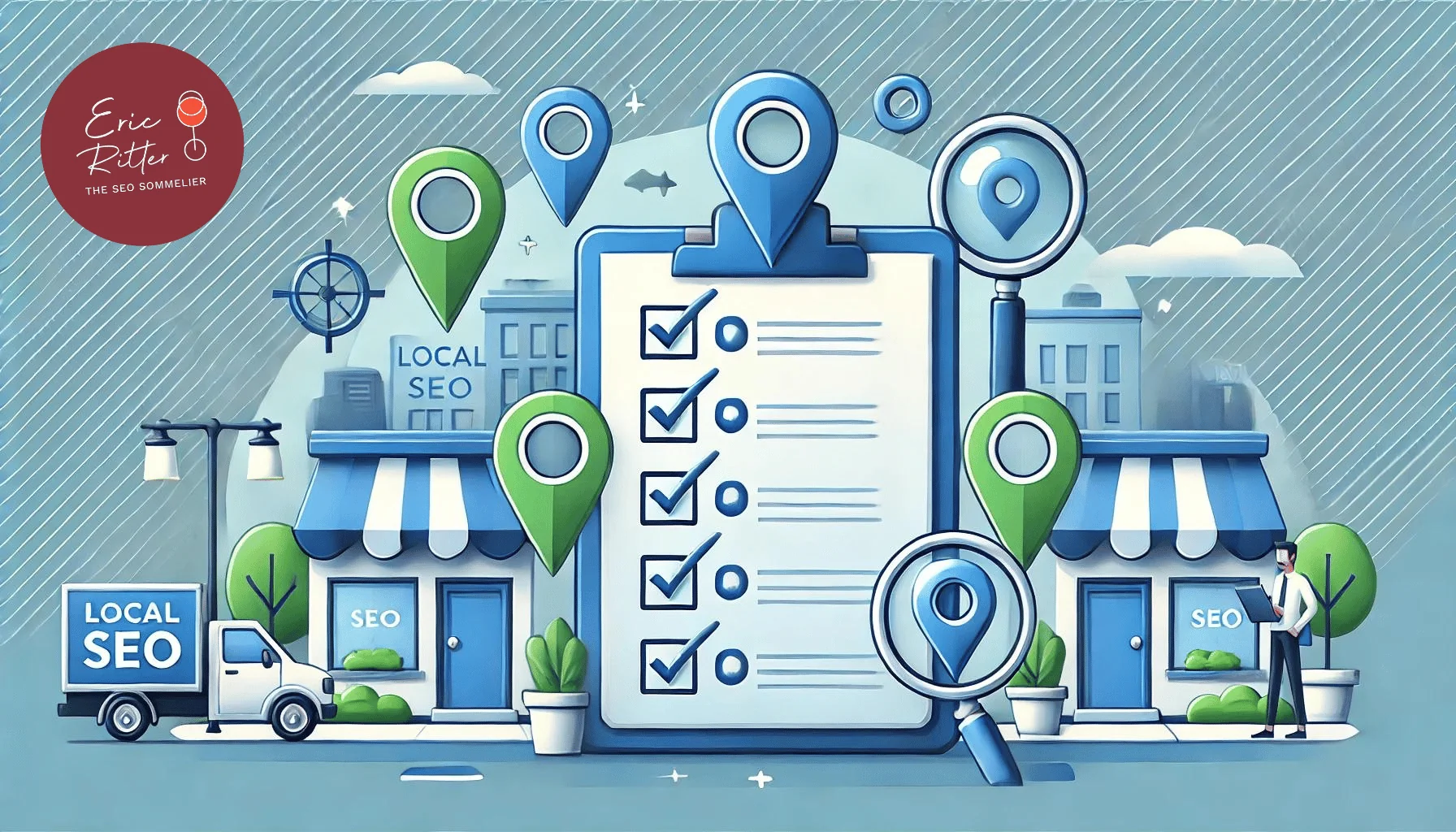
Your Essential Local SEO Checklist

Why Local SEO Matters

Local SEO isn’t just about getting found online – it’s about growing your business by connecting with the right people in your area. Here’s the deal: 46% of all Google searches are looking for local information, and 88% of people who do a local search on their smartphone visit a related store within a week. These are not numbers to ignore. With more people using voice search, mobile devices, and Google Maps to find what they need, having a rock-solid Local SEO strategy is non-negotiable.

Local SEO helps you:

  • Stand out in Google’s Local Pack (the top 3 results on Google Maps)
  • Attract more foot traffic to your store
  • Build trust and credibility with customer reviews
  • Drive high-quality leads that are ready to convert

This guide breaks down the steps to make sure your business is front and center when people are searching in your area. Whether you’re managing one location or fifty, you’ll find valuable tips to boost your visibility and customer base.

What You’ll Find in This Checklist

This isn’t just another SEO guide – it’s a strategic roadmap to make sure you’re covering all your bases. We’ll walk through each key element of Local SEO, giving you actionable steps, industry trends, and pro tips that can take your strategy to the next level.

Here’s what you’ll learn:

  • Google Business Profile (GBP) Optimization: Tips to maximize your Google presence.
  • Website Structure & Optimization: How to make your website more visible and relevant in local searches.
  • Citations and Local Links: Why consistency and quality backlinks matter more than ever.
  • Get More Google Reviews: The power of customer feedback in boosting your rankings.
  • Reporting and Monitoring: How to measure and adjust your efforts for long-term success.

Plus, we’ll dive into:

  • Industry Trends in Local SEO: What’s new and what’s coming next.
  • Special Considerations for Multi-Location Businesses: Tips for managing Local SEO at scale.

How to Use This Local SEO Checklist

This guide is designed to be practical and straightforward. Here’s how you can get the most out of it:

  1. Read through each section and identify areas where your business could improve.
  2. Follow the action steps provided – they’re easy to implement and designed for results.
  3. Take note of the pro tips – these are insights that aren’t always shared but can give you a competitive edge.
  4. Download the full guide to have everything at your fingertips.

Whether you’re just getting started with Local SEO or looking to refine your strategy, this checklist is your go-to resource.


Your Essential Local SEO Checklist

Let’s get into the nitty-gritty. Here’s your go-to checklist for improving your Local SEO. Each section is packed with actionable steps that you can implement right away. We’ll also sprinkle in some pro tips to give you that competitive edge.


1. Google Business Profile (GBP) Optimization

Google Business Profile (GBP) Optimization

Your Google Business Profile (formerly Google My Business) is the foundation of your Local SEO efforts. It’s the first thing people see when they search for your business, and it plays a massive role in whether or not you show up in the coveted Google Maps pack.

Action Steps:

  • Claim and Verify Your Profile: This is step one. Make sure your GBP is claimed and verified, so you have full control over the information displayed.
  • Optimize Business Information: Keep your NAP (Name, Address, Phone) consistent across all platforms.
  • Add Service Areas and Categories: Clearly define the areas you serve and select relevant business categories.
  • Use High-Quality Images: Professional photos can make a big difference in attracting clicks.
  • Utilize Google Posts: Regularly post updates, offers, and events to engage with potential customers.

Pro Tip: Add keywords naturally to your business name, description, and services section. This can help you rank for local searches related to your offerings without keyword stuffing.


2. Website Structure & Optimization for Local SEO

Website Structure & Optimization for Local SEO

A strong website structure with Local SEO elements is key to improving your visibility. Your website needs to be optimized for both users and search engines, with local schema markup helping Google understand your business better.

Action Steps:

  • Optimize Title Tags and Meta Descriptions: Include location-based keywords naturally in these elements.
  • Use Local Schema Markup: Implement schema markup to provide search engines with detailed information about your business.
  • Create Location-Specific Pages: If you serve multiple areas, create separate pages targeting each location.
  • Ensure Mobile-Friendliness: Your site should be responsive and offer a great experience on all devices.
  • Improve Page Load Speed: Use tools like Google PageSpeed Insights to keep your site loading fast.

Pro Tip: Use the appropriate schema for your business type. For example, if you’re a law firm, make sure you use “legalService” schema. Adding “FAQ schema” on relevant pages can also help you get featured in rich snippets.


3. Citations and Local Links

Citations and Local Links for Local SEO

Consistency is key when it comes to citations and local links. Having accurate citations across multiple directories and acquiring quality local backlinks will build your business’s credibility and trust with search engines.

Action Steps:

  • Consistent NAP Across Directories: Make sure your business’s NAP information is consistent on all directories.
  • List Your Business on Local Directories: Submit your business details to reputable directories like Yelp, Yellow Pages, and industry-specific listings.
  • Get Links from Local Publications: Reach out to local newspapers, blogs, and community websites for link opportunities.
  • Join Local Business Associations: Many of these offer a backlink as part of your membership.
  • Monitor and Update Citations Regularly: Ensure all citations remain accurate, even as your business evolves.

Pro Tip: Getting listed in locally and industry-relevant directories is vital. While these niche directories might not seem flashy, they carry significant weight with search engines and build credibility in your community. Quality over quantity always wins here.


4. Get More Google Reviews for Local SEO

Get More Google Reviews for Local SEO

Positive reviews are powerful social proof that can boost your local rankings and attract more customers. The quantity, quality, and frequency of reviews all play a role in your search visibility.

Action Steps:

  • Ask for Reviews Proactively: Make it easy for happy customers to leave reviews by providing them with a direct link.
  • Respond to All Reviews: Engage with your reviewers, both positive and negative, to show you value their feedback.
  • Incorporate Keywords in Responses: Include relevant keywords naturally when responding to reviews, but don’t overdo it.
  • Run a Review Campaign: Periodically encourage customers to leave reviews through emails or promotions.
  • Showcase Reviews on Your Website: Display positive reviews on your website to build trust.

Pro Tip: Request reviews from potential clients who weren’t the right fit but had a good experience. For example, if you provided a helpful referral or advised them that their case might not be worth pursuing, they might still appreciate your honesty and professionalism. Encourage them to leave a review highlighting the positive aspects of their experience.


5. Local SEO Reporting and Monitoring

Local SEO Reporting

To truly understand the impact of your Local SEO efforts, you need to track your progress. Consistent reporting helps you identify what’s working, what needs tweaking, and where you can double down for better results.

Action Steps:

  • Track Google Business Profile Insights: Monitor metrics like search views, actions taken, and direction requests.
  • Use Google Analytics for Local Traffic: Segment traffic by location to see how well you’re attracting local visitors.
  • Monitor Local Rankings: Use tools like BrightLocal or Moz to track your rankings for local keywords over time.
  • Analyze Citation Consistency: Regularly audit your citations to ensure NAP information remains consistent.
  • Set Up Goals in Google Analytics: Track conversions such as form submissions, calls, or store visits generated from local searches.

Pro Tip: Keep an eye on competitors by tracking their reviews, citations, and rankings. This can reveal gaps in your strategy and opportunities to outperform them.


Industry Trends in Local SEO

Local SEO is constantly evolving, and staying ahead of the curve is essential. Here are some trends to watch:

  • Voice Search is Growing: With more people using voice assistants, optimizing for conversational queries and natural language is critical.
  • Zero-Click Searches Are Here to Stay: Featured snippets and Google’s Local Pack often provide answers directly on the search results page, reducing the need for users to click through. Make sure your content is optimized for these formats.
  • AI and Machine Learning: Search engines are getting smarter, so your content needs to be more relevant and user-focused than ever. Focus on user intent and providing clear, valuable information.

Special Considerations for Multi-Location Businesses

Managing multiple locations on Google Maps comes with unique challenges, but it also opens up opportunities. Here’s how to approach Local SEO when you have more than one location:

  • Create a Dedicated Page for Each Location: Each page should have unique content, including the location’s address, contact information, and services offered.
  • Use Location-Based Keywords: Optimize each location page with local keywords specific to that area.
  • Implement Multi-Location Schema Markup: Help search engines understand the structure of your business by adding local schema markup to each location page.
  • Manage Google Business Profiles for Each Location: Ensure that each location has its own GBP listing with accurate information.
  • Localize Content and Reviews: Showcase reviews specific to each location and tailor content to reflect the community’s needs.

Why This Checklist Is Your Secret Weapon

By following this Local SEO Checklist, you’ll be able to position your business in front of the right customers at the right time. Whether you’re a small business owner or managing a large brand with multiple locations, these steps will help you build a strong local presence, attract more customers, and ultimately grow your business.


Neighborly Local SEO Roadmap

Download Your Local SEO Guide

Ready to dive deeper and get step-by-step instructions for each of these strategies? Download the complete Local SEO Checklist guide here and get all the details you need to optimize your business for local search. Don’t miss out – this guide is packed with insights, pro tips, and actionable advice that can take your local marketing to the next level.

Filed Under: Checklists Tagged With: Featured

5 Secrets of SEO: Techniques to Boost Organic Traffic + Rankings

August 1, 2023 by Eric Ritter

How tempted are you to throw in the towel with your SEO strategy and jump straight to pay-per-click (PPC) advertising? While PPC might seem like an easy way to draw potential new customers to your website, it’s a short-term digital marketing strategy at best.

Not to mention, you’ll feel like you’ve wasted a bunch of money you could’ve spent elsewhere because once you stop paying for ads, your PPC traffic will stop as well.

So instead, invest in a long-term SEO strategy that will actually drive organic traffic to your website and boost your search engine rankings. Once you invest in SEO, you’ll see results long after your initial investment, making SEO far more cost-effective than PPC in many cases.

By following these five search engine optimization (SEO) secrets, you can ensure your strategy produces stellar results for your business!

What Are the Top 5 SEO Strategies?

The Internet is full of SEO strategies for businesses to get their websites to land on Google’s first search engine results page (SERP). From carefully tracking Google Analytics to going all-in on content marketing, dozens of SEO tools and techniques exist.

Yet, they won’t all benefit your SEO strategy. Here we’ve narrowed down the top five SEO tips that will genuinely enhance your SEO plan. They include:

  • Keyword research and search intent
  • Backlinks
  • Crawling
  • Presentation
  • Ranking for multiple keywords through keyword clustering

1. Keywords Are Key

Keyword research is vital to rank on the first page of Google searches. It’s the start of every solid SEO strategy. Yet, how do you know which keywords are best to target for each specific webpage?

Sometimes, you may use head term keywords (more general terms) to target those looking for information in the beginning phase of the sales funnel. These people may or may not convert to paying customers. In contrast, at other times, you may use long-tail keywords to target a specific audience further down the sales funnel. These people have already done their research and are closer to making a purchase.

Regardless of your primary keyword, for on-page SEO, you want the keyword to be in the following locations:

  • Meta title (title tag)
  • Meta description
  • URL
  • H1
  • Subheadings
  • Internal links with optimized anchor texts

However, more importantly than keywords, you must also focus on search intent or why users type their query into the search engine.

Search engines want to provide relevant results for users, so they need to understand the reason for the search query. Creating content with the wrong intent could cause the piece of content not to rank at all.

For instance, if you have an eCommerce store selling pet food, you may not want to rank a product page for your all-natural, organic cat food with the keyword “best organic cat food.” The search intent with this keyword is to research different brands that sell high-quality, organic cat food. The intent is not to buy a specific product.

There are four types of search intent, which are:

  • Commercial: doing research before making a purchase decision
  • Informational: learning more about something
  • Navigational: looking for a specific page
  • Transactional: want to complete a particular action, like making a purchase

In the case of the cat food example, using a keyword with transactional intent, like “buy organic cat food,” could be better.

2. Backlinks Are the Backbone

Link building is not obsolete and still plays a critical role in helping your website’s ranking and driving more traffic. It is, arguably, the best off-page SEO tactic you can use.

Think of high-quality backlinks as verified endorsements for your website. With them, your search engine ranking gets higher. Plus, you can get nice referral traffic from backlinks and even conversions!

3. Crawl Before Ranking

You can have an amazing SEO strategy, but don’t forget about technical SEO. If search engines can’t crawl your website properly, indexing becomes an issue. When search engines can’t index the content on your website site, no one will ever find it via a search engine.

Thus, when your website is easily crawlable, it doesn’t block search engines from crawling, nor does it block pages from being indexed.

Think of it like this: Easily crawlable website = doesn’t block search engines from crawling, doesn’t block pages from being indexed

To ensure the search engines can properly crawl your website, make sure you are not blocking search engines from crawling or indexing the site via meta robots tags, robots.txt files, and X robots tags.

Also, make sure all the pages that you want indexed are included in the site’s XML sitemap and that it has been submitted to Google Search Console and Bing Webmaster Tools.

Keep in mind search engines likely may not index pages for a keyword that already has tons of results. They also may not index poor-quality pages. So if you are having trouble getting your content indexed, look into these issues.

4. Presentation Does Matter

No one enjoys spammy content, especially not your target audience. It completely ruins the user experience and drives customers away.

Regardless of the type of content you create, it must be helpful and unique. You don’t have to become a WordPress wizard or use a dozen plugins to have an appealing and functional website. You don’t even need to understand HTML!

What you do need to do is craft high-quality content that entices viewers rather than turns them off.

Poor quality content isn’t just sore on the eyes. It could also lead your website to have a high bounce rate, the percentage of people who land on your website, then leave.

What qualifies as poor-quality content? It’s content that:

  • Has too many ads on the page
  • Lacks a table of contents
  • Doesn’t have a logical outline structure
  • Is missing keywords, attractive images, or illustrations

While Google has not confirmed that bounce rate is a ranking factor, many experts feel that it is a factor.

5. One Page, One Thousand Opportunities

Gone are the days when each webpage could only rank for one keyword. Now, a single webpage can rank for several keywords when you create high-quality, intentional content.

This is possible due to keyword clustering, which is basically grouping similar keywords based on how Google groups them in the search results. By researching keyword clusters, you can see just how easy it is for one page to rank for multiple keywords simultaneously.

For example, the primary keyword “queen mattress” may also target similar keywords on the same page, such as:

  • Mattress queen size
  • Queen mattresses
  • Queen size mattress

Unconfirmed SEO Rumors

You’ll come across plenty of other search engine optimization secrets that many say are the magic trick to getting your web pages to rank. While the jury is still out on these rumors, we explore whether they could impact your SEO.

Clicks on GBP Driving Directions May Help GBP Rankings

Google Maps may use driving directions and popularity signals, such as how often users look up directions for a business location they can visit in person, as ranking factors.

While it’s possible Google solely uses driving directions as a ranking factor, the algorithm could also use driving directions with reviews to rank local search results.

Even though we can’t be sure how Google uses information from Maps in its rankings, it’s best if you embed the correct Google Business Profile listing on your website.

Google Reads the Whole Page Title Even if It Gets Cut Off

Many SEO experts will tell you to keep webpage titles under 65 characters because, beyond this, search engines will cut off the end of the page title, and users won’t be able to read the whole thing.

But the big question remains: can cut-off words in page titles help the page rank even though you can’t see them?

One expert, Joel Headley, performed a test to find out. He added random letters to the end of page titles to make them, on average, nearly 200 characters long.

The results?

The added letters triggered the pages to show up in search results! Despite users not seeing these words, search engines can still read them.

Thus, the lesson here is that you shouldn’t be afraid to write longer page titles when necessary. Longer page titles will still help the page rank even when search engines don’t show the full page title in search results.

Social Media Activity May Impact Rankings

Google has stated that sharing links to social media content doesn’t affect rankings. Yet, evidence suggests otherwise.

Referral traffic from social media platforms like Facebook, Instagram, and LinkedIn, in addition to activity on social media posts that link to your website, may impact SEO.

However, even though some may see an indirect increase in organic traffic from sharing website links on social media, Google has not confirmed this is a ranking factor.

Like social media, podcasts are also becoming a helpful SEO asset to help businesses gain visibility and rank higher via backlinks and referral traffic.

But again, this is not a confirmed ranking factor.

What’s the Secret to Ranking High in SEO?

Ultimately, the secret to ranking high on organic search results is a holistic approach where you address the five SEO secrets discussed above. With proper implementation, your SEO strategy will produce results when you focus on the following:

  • Keyword research and search intent
  • Link building
  • Producing high-quality content
  • Technical SEO
  • Using keyword clusters

What Are the Secrets of SEO in 2023?

Digital marketing and SEO are constantly evolving, so strategies must also change.

According to these digital marketing trends of 2023, it’s best to implement the following into your SEO strategy:

  • Artificial intelligence, or AI, such as:
    • Chatbots for conversational marketing
    • Email automation
    • Website personalization
  • Increased intelligence level of SERPs
  • Real-time analytics and metrics tracking
  • Mobile-friendliness for a better customer experience
  • Using structured data
  • Think of the user experience and user intent

What Does a Successful SEO Strategy Look Like?

There’s no one-size-fits-all successful SEO strategy for businesses.

In fact, I, Eric Ritter, have dozens of examples of successful strategies I’ve implemented for various clients.

One client, a personal injury law firm in Tampa, FL, gained over $100,000 of organic SEO traffic per month! Another client in the docking industry saw a 658% increase in organic traffic!

The results from my strategies are beyond outstanding and prove that when you take the SEO secrets discussed into account, your business can seriously benefit. If you want to know more about my successful SEO strategies, explore these case studies.

The Search Engine Sommelier

Don’t get bogged down by all the information floating around about SEO. Simply follow the five SEO secrets discussed here, and your business will start to see improvements.

For assistance building your business’s SEO strategy, contact me. Let’s chat about your goals, budget, and ideas to see how I can help make your business thrive!

Filed Under: Checklists, SEO Tagged With: Featured

  • Page 1
  • Page 2
  • Go to Next Page »

Primary Sidebar

Recent Posts

  • Authentic Visibility for Law Firms
  • Networking For Lawyers: Build Trust, Boost Business
  • Personal Branding For Attorneys
  • How Law Firms Can Dominate Local Search
  • Growing Your Business With Structure

Recent Comments

  1. christiano on Leadership Lessons from Who Moved My Cheese?
  2. Peter Sammarco on Leadership Lessons from Who Moved My Cheese?
  3. BF on Leadership Lessons from Who Moved My Cheese?
  4. Eric Ritter on Leadership Lessons from Who Moved My Cheese?
  5. Ginger Battle on Leadership Lessons from Who Moved My Cheese?

Copyright © 2026 · Genesis Child on Genesis Framework · WordPress · Log in