• Skip to main content
  • Skip to primary sidebar

Eric Ritter

The SEO Sommelier®

SEO

SEO Traffic Drop Recovery Guide: The Game Plan to Bounce Back

April 2, 2025 by Editor

SEO Traffic Drop Recovery Guide: Your Game Plan to Bounce Back

SEO traffic drops can feel like the wind has suddenly been knocked out of your digital sails. It’s alarming, frustrating, and can throw off your entire strategy. But fear not! Just like a seasoned winemaker knows how to handle an unexpected corked bottle, you too can navigate the drops in your SEO performance. The key? Understanding why it happened and taking the right steps to recover.

In this guide, we’ll walk you through a structured recovery plan—step by step—just like uncorking a bottle of wine and inspecting its clarity before taking that first sip. You’ll learn how to track down the root causes, make the right fixes, and get your site back on track. Whether it’s a technical issue, content update, or external factor, this SEO Traffic Drop Recovery Guide will equip you with the tools to restore your website’s ranking and bring back that steady flow of traffic. From documenting everything to keeping your team informed, these actionable steps will guide you in diagnosing the issue, making the right fixes, and returning your site to its prime.

The SEO Traffic Drop Recovery Guide

SEO Traffic Recovery Guide Image

Let’s go over each step of this guide with actionable items you can implement right away to get your traffic back on track.

Step 1: Document Everything

Before you can recover from a drop in SEO traffic, it’s crucial to understand what happened and when. Documenting everything is your first step toward identifying the root cause. By keeping track of Google updates, site changes, and analytics trends, you’ll be able to correlate drops with possible causes. This is your baseline, your map to guide you through the recovery process.

Action Steps:

  • Keep a record of Google updates: Algorithm changes from Google can affect your rankings.
  • Monitor site changes: Identify if recent redesigns or URL modifications have impacted your traffic.
  • Track analytics trends: Compare traffic year over year to account for seasonality and identify patterns.

Helpful Links:

  • Google Search Central Blog
  • Google Search Status Dashboard

Pro Tip: Use Google Search Console alongside Google Analytics for deeper insights into indexing issues, penalties, or manual actions that could be affecting your site.

Step 2: Prioritize Fixes by Impact

Now that you’ve documented the situation, it’s time to prioritize the fixes that will have the most immediate effect. Some issues, like technical problems, require urgent attention, while others, such as content optimization, will take more time to yield results. By addressing the most impactful issues first, you ensure that your efforts move the needle quickly.

Action Steps:

  • Tackle critical technical issues: Make sure your site is indexed correctly and check for server issues like 404 errors and slow load times.
  • Focus on content optimization: Update outdated content, improve its quality, and ensure your site demonstrates expertise, authority, and trustworthiness (E-E-A-T).
  • Improve internal linking: Strengthen your internal linking structure to help Google understand the hierarchy and importance of your pages.

Helpful Links:

  • Indexing pages to be included in search results
  • Internal Linking for SEO

Pro Tip: Start by addressing site speed. Slow load times are a major SEO penalty. Tools like Google PageSpeed Insights can give you specific suggestions to improve performance.

Step 3: Create a Timeline

Some fixes will show immediate results, while others will take weeks to reflect in your traffic data. This step helps you set realistic expectations and allows you to track changes over time. Recovery is a gradual process, so creating a timeline will help you stay on track and measure progress effectively.

Action Steps:

  • Set realistic goals: Understand that some changes will have immediate effects, while others (like content updates) will take more time.
  • Track progress weekly: Regularly check Google Analytics and Search Console to monitor changes and improvements.
  • Adjust as needed: If your traffic isn’t recovering as expected, revisit the areas that need more attention.

Pro Tip: Give your fixes at least 4-6 weeks to show results. SEO recovery is a marathon, not a sprint, so be patient and stay the course.

Step 4: Monitor & Adjust

SEO recovery isn’t a one-time effort; it requires ongoing monitoring and adjustments. Just like continually tasting wine as it ages, you need to track your progress and make necessary adjustments based on real-time data. Regularly monitoring your site’s performance ensures that you can tweak your strategy as needed.

Action Steps:

  • Use Google Analytics and Search Console: Use these tools to monitor your recovery progress week-by-week.
  • Monitor competitors: Keep an eye on your competitors and adjust your strategy to stay ahead of the race.
  • Adjust strategy based on findings: Be flexible and act swiftly. If something isn’t working, pivot and try new tactics.

Helpful Links:

  • Introduction to Google Analytics
  • Getting started with Search Console

Pro Tip: Use tools like Ahrefs or SEMrush to analyze your backlink profile. A lack of quality backlinks can significantly impact your recovery, so ensure you’re building and maintaining a strong backlink strategy.

Step 5: Keep Stakeholders Informed

Effective communication is essential during an SEO recovery process. If you’re working with a team, keeping everyone updated ensures that expectations are managed and tasks are being executed efficiently. Clear communication can make the recovery process smoother and help maintain team morale.

Action Steps:

  • Use project management tools: Keep track of tasks, fixes, and expected timelines in a centralized location.
  • Provide regular updates: Ensure your team and stakeholders are kept in the loop on progress and setbacks.
  • Set clear expectations: If recovery is taking longer than expected, explain why and outline the next steps.

Helpful Links:

  • Welcome to Looker Studio

Pro Tip: Consider setting up an SEO dashboard in Google Looker Studio to make progress more visual and accessible to all stakeholders.


Bonus Tips for Long-Term SEO Health

While the above steps are essential for recovering from a traffic drop, it’s always a good idea to adopt long-term strategies for maintaining your site’s SEO health.

  • Invest in Quality Content: High-quality content should be the backbone of your SEO strategy. Regularly update blog posts, case studies, and product pages to keep them relevant and competitive.
  • Build Strong Backlinks: Backlinks are like endorsements for your site. Develop a strategy to earn quality backlinks from authoritative sites in your industry.
  • Stay Updated with Google’s Algorithm: Google’s algorithms are constantly evolving. Stay informed about core updates and adjust your strategy accordingly. Sign up for SEO news outlets like Moz or Search Engine Journal to keep ahead of the curve.

Why This SEO Recovery Plan Is Your Secret Weapon

Navigating the SEO recovery process requires a strategic, hands-on approach. This guide will walk you through a proven, step-by-step recovery plan to diagnose, address, and overcome traffic drops. By following this plan, you’ll not only restore your website’s performance but also build a more resilient SEO strategy, improve your rankings, and drive quality traffic that converts. Cheers to your SEO success!

Download the SEO Traffic Recovery Guide Now

Ready to take your SEO recovery to the next level? Download the full guide to get a handy PDF version of the step-by-step plan, actionable steps, and pro tips to help you recover your traffic and boost your rankings. If you’re looking for a more personalized assessment, contact Eric Ritter, The SEO Sommelier, for a Neighborly Roadmap tailored to your business.
Filed Under: #ProTip, SEO

Website Security Checklist: Your Path to a Safe and Reliable Site

February 5, 2025 by Editor

Website Security Checklist: Your Path to a Safe and Reliable Site

Imagine investing in a beautifully designed website only to have it compromised because of a preventable security flaw. For businesses, a website isn’t just an online presence; it’s your storefront, your portfolio, and a critical part of your brand. Yet, many site owners underestimate the importance of ongoing maintenance and security for WordPress sites.

WordPress powers over 40% of the web, making it a prime target for vulnerabilities if not properly maintained. That’s where WordPress security and maintenance come into play. This guide is your ultimate checklist to ensure your site stays secure, performs optimally, and provides a seamless user experience for visitors.

Why Website Security Matters

Securing and maintaining your WordPress site is vital for both functionality and long-term success. By prioritizing security, you protect your business, enhance user trust, and ensure optimal performance. Taking proactive measures reduces risks and ensures your online presence remains robust and trustworthy. Here are the key benefits:

  • Protects Your Reputation: Guard your brand against the negative impact of hacking incidents or data breaches by meeting industry security standards and safeguard user data from potential threats.
  • Improves Performance: Enhanced load times and smooth functionality keep visitors engaged and satisfied. Proactive maintenance reduces the risk of costly and disruptive outages that could affect your business. 
  • Enhances SEO Rankings: Secure, optimized websites are prioritized by search engines, improving visibility and traffic.

Let’s dive into why Website Security matters and the actionable steps you can take to safeguard your site.

The Crucial Website Security Checklist

Website Security Checklist: Your Path to a Safe and Reliable Site

Let’s break down each section of this checklist with actionable steps and insights.

1. WordPress Core Updates

WordPress is software, and like any software, it requires updates to patch vulnerabilities and enhance functionality. Staying up to date is critical to protecting your site.

Action Steps:

  • Check periodically: Get used to checking periodically if there are new updates for WordPress. Checking weekly is a good rule of thumb. 
  • Test updates: Testing on a staging site before implementing will ensure the update is compatible with every element of your site and you will avoid potential crashes. 
  • Consider hiring an expert: As important as they are, updates can break your website if not handled properly. In WordPress there are different components, designed by different parties, working together, making sure everything works together smoothly can be tricky.

WordPress Core Updates Helpful Links:

  • How to Update WordPress Manually and Automatically
  • How to Safely Update WordPress

Pro Tip: Schedule regular maintenance windows to apply updates without disrupting users.

2. Plugin Updates

Plugins add functionality but can become liabilities if outdated. And even so, a whole website can come down because of updating one plugin. Being prudent is crucial.

Action Steps:

  • Test first: you don’t have to rush into updating everything the minute a new update is available. The first step is testing its compatibility with other parts of the site.
  • Deactivate and remove: minimize vulnerabilities by removing any unused or inactive plugins.

Plugin Updates Helpful Links:

  • Update Failed WordPress Plugin: Fix It
  • How to Properly Update WordPress Plugins
  • The Best SEO Plugin for WordPress

Pro Tip: Use a plugin management tool to streamline updates and compatibility checks.

3. Theme Updates

Your WordPress theme controls your site’s appearance and layout. If you aren’t keeping your themes updated, you risk running into security holes and compatibility issues with other plugins or even with WordPress core.

Action Steps:

  • Use a child theme: this sub-theme will help you preserve customizations while implementing updates.
  • Choose carefully: Avoid themes from unreliable or unsupported developers.

Theme Updates Helpful Links:

  • WordPress Theme Issues: 10 Common Problems
  • How to Update a WordPress Theme without Losing Customization

Pro Tip: Authenticity is key. Avoid clickbait—nobody likes to feel deceived.

4. 24/7 Monitoring

Websites operate around the clock, and users never sleep. Real-time monitoring is crucial for identifying and addressing issues promptly.

Action Steps:

  • Track uptime: Use monitoring tools to track uptime and receive real-time alerts of any issue that might make your site unavailable to users.
  • Automate scans: Websites can go down for even the minor of reasons. Schedule malware scans to detect vulnerabilities.
  • Set alerts: Configure alerts for unusual activity, like spikes in traffic or unauthorized login attempts.

Monitoring Helpful Links:

  • How to Monitor Your WordPress Website Server Uptime
  • 8 Tools for Managing Multiple Websites on WordPress
  • 3 Ways to Easily Monitor Your WordPress Site’s Uptime

Pro Tip: Partner with a managed WordPress security service for comprehensive monitoring and quick incident response.

5. Backups

A big part of doing marketing and SEO is doing website updates, and updating the website, whether that’s content, or a button, could cause the website to crash. That’s why backups are your safety net.

Action Steps:

  • Automate: Schedule daily backups for both your site and database. Use automated backup solutions with versioning to easily roll back to a specific point in time.
  • Store: Use multiple locations, such as the cloud and external storage, to make sure you always have them available in case anything goes wrong. 
  • Test: Regularly test backups to confirm they can be restored successfully.

Backups Helpful Links:

  • Automated Website Backups: Everything You Need To Know
  • How to Backup Your WordPress Site (5 Easy Ways)
  • How To Backup WordPress Files and Databases

Pro Tip: Most popular packages for WordPress Security and Maintenance services offer daily backups.

6. SSL Setup

An SSL certificate encrypts data transferred between your site and users, ensuring privacy and building trust.

Optimizing Landing Pages Action Steps:

  • Install SSL: Purchase and set up an SSL certificate for your domain.
  • Renew certificates: Monitor expiration dates and renew as needed.
  • Leverage hosting providers: Many hosting providers include free SSL certificates—make sure to take advantage of this.

SSL Certificate Helpful Links:

  • Why SSL is Important For Your WordPress Site
  • Everything You Need to Know About SSL Certificates
  • What is: SSL

Pro Tip:SSL certificates are not only essential for security, they are also crucial for SEO. Not having one will make your website go ignored by Google and avoided by users who don’t feel safe in it.

7. Monthly Reporting

Reporting helps you stay informed about your website’s health and security status, allowing for proactive maintenance. You might not keep a daily track, but a monthly one is a must.

Action Steps:

  • Review metrics: Check server response times, uptime statistics, version of WordPress core, broken links, and security alerts.
  • Track updates: Ensure plugins, themes, and core files are current.
  • Analyze traffic: Use analytics to monitor trends and spot potential issues.

Automation Helpful Links:

  • 6 Email Marketing Automation Ideas
  • What is Email Automation? A Beginner’s Guide

Pro Tip: Create a dashboard that consolidates key metrics for an at-a-glance view of your website’s performance.


The Intersection of Security and SEO

A secure website does more than protect data—it directly impacts your SEO. Search engines reward sites with SSL certificates, fast load times, and minimal downtime. By implementing this checklist, you’re not only safeguarding your site but also improving your visibility in search results.

Key takeaways:

  • Secure websites provide a better user experience, reducing bounce rates.
  • Google prioritizes secure sites with HTTPS in its rankings.
  • Regular updates ensure your site complies with Google’s core web vitals.

By focusing on both security and SEO, you’re building a site that performs well for both users and search engines.


Why This Email Marketing Checklist Is Your Secret Weapon

Following this list will allow you to keep your site protected, functioning properly, and showing up in your target audience searches while ensuring you are always prepared to tackle any problem right away.

Download the PPC Checklist Now

Ready to dive deeper into Website Security? Download the checklist to get step-by-step instructions and pro tips for optimizing your Website Security. If you’re looking for a more personalized assessment, contact Eric Ritter, the SEO Sommelier, for a Neighborly Roadmap tailored to your business.

Filed Under: Checklists, SEO Tagged With: Featured

Email Marketing Checklist: Your Guide to Campaign Success

January 13, 2025 by Editor

Email Marketing: Your Guide to Paid Campaign Success

Years ago, with the rise of social media, email marketing was pronounced dead. But nowadays, it has risen from its grave and evolved as a reliable tool for engaging with the audience, consolidating brand identity, and driving conversions.

Think of email as the evolution of handwritten letters—a medium where care, authenticity, and value shine through. Following the right approach, email marketing can be an impactful channel for building and strengthening relationships and driving measurable results. Ready to make email marketing work for you? Let’s dive into why it matters and how to do it right.

Why Email Marketing Matters

Email marketing is a cornerstone of any digital strategy, offering numerous advantages for businesses of all sizes. Beyond its measurable ROI and ability to drive conversions, it serves as an additional touchpoint in your customer’s journey. It nurtures relationships and reinforces your brand messaging. Here are the key benefits:

  • Re-engage Customers: Stay top-of-mind with existing and potential customers and bring them back to your website or store. Guide them toward the final step in their customer journey.
  • Consolidate Your Brand Identity: Build a consistent and memorable brand presence in your audience’s inbox. Strengthen trust and showcase your expertise by sending emails on topics relevant to your audience.
  • Drive Conversions: Generate sales and leads with well-timed, targeted messages, follow-ups and calls to action. Personalized follow-ups can nudge customers to complete their purchases, turning interest into conversions.

Want to learn how to elevate your email marketing game? Let’s dive into the actionable steps laid out in this Email Marketing Checklist.

The Essential Email Marketing Checklist

Let’s break down each section of this checklist with actionable steps and insights.

1. Build Your Email Database

A thriving email campaign starts with the right list of subscribers. Make it easy for people to join your list through both digital and offline methods. Keep building and growing your database.

Action Steps:

  • Create Pop-Up Forms: Use intuitive pop-ups on your website to capture visitor emails. 
  • Leverage Offline Opportunities: Combine the traditional method with the digital medium. Use sign-up sheets at your store’s register or during events to connect offline visitors to your online campaigns.
  • Cross-Promote on Social Media: Share the benefits of joining your email list with your followers. Redirect them to your website to subscribe to your newsletter or to access exclusive offers. 
  • Use Incentives: Use clear incentives, like discounts, early access to promotions, exclusive content or loyalty rewards.

Email Database Building Helpful Links:

  • How to Build an Email List
  • 7 Ways to Grow Your Email List

Pro Tip: Always prioritize quality over quantity—be cautious of buying email lists if you want to maintain your sender reputation. Some platforms like Mailchimp and HubSpot won’t even allow you to upload purchased lists.

2. Segment Your Audience

Personalization is key to stand out. Not all customers are the same, so you will want to avoid sending generic, repetitive emails.

Action Steps:

  • Use Demographics: Use the conventional segmentation: group by age, location, or interests to tailor content.
  • Identify Purchase Behavior: Customize emails based on whether someone has purchased before, is a frequent customer, or is a brand new potential client. This way, your emails will align with their experience with your business and stage in their buying journey.
  • Cater to Preferences: Different audiences will value different ways. For example, Gen Z appreciates individuality and authenticity and will favor content that reflects that.

Audience Segmentation Helpful Links:

  • The Importance Of Email Segmentation For Your Campaigns
  • 30 Ways to Slice Your Email Database
  • Gen Z: What The Coming Generation Wants In Their Inbox

Pro Tip: Personalized emails can generate higher transaction rates. People are more inclined to interact with content that resonates with them. Start small and refine over time.

3. Craft Compelling Subject Lines

The subject line is the most important part of your email. In as little as 3 seconds or less, the recipient will decide whether to open the email or ignore it.

Action Steps:

  • Keep it Short: Aim for subject lines of 50 characters or 10 words, or even less. It has to be one line that doesn’t get cut off. 
  • Be Clear: Be descriptive and make sure that what you offer in the subject line aligns with the body of the email.
  • Make it Engaging: Use relatable language, pose intriguing questions, or highlight benefits to encourage readers to open and engage with your emails.

Subject Lines Helpful Links:

  • 22 Tips to Write Catchy Email Subject Lines
  • Best Practices for Email Subject Lines

Pro Tip: Authenticity is key. Avoid clickbait—nobody likes to feel deceived.

4. Design For Mobile

With almost 50 % of emails opened on mobile devices, responsive design is crucial to deliver a seamless experience.

Action Steps:

  • Optimize For Every Device: Ensure your email layout looks good and adjusts smoothly to fit all screen sizes, from smartphones to tablets and desktops.
  • Highlight CTAs: Make your call-to-action buttons bold, prominent, and easy to tap, ensuring they’re not too small or buried in the content.
  • Test Load Times: Optimize image sizes and compress files to ensure fast loading on mobile devices without compromising quality.

Mobile Optimization Helpful Links:

  • Mobile Email Optimization: A 5-Step Guide
  • Responsive Emails: Designs, Templates, and Examples for 2024
  • Impact of Mobile Use on Email Engagement

Pro Tip: An unresponsive design or hard-to-access CTAs frustrate users and reduce engagement. Always test emails across a variety of devices and operating systems to ensure a consistent user experience.

5. Test & Optimize

Testing and optimizing are crucial for every digital strategy. Nothing is perfect out of the gate, keep testing and adjusting as needed.

Action Steps:

  • Run A/B Tests: Experiment with different subject lines, formats, and send times to see what resonates best with your audience.
  • Analyze Results: Use email marketing platforms to evaluate key metrics such as open rates, click-through rates, and conversions for each test.
  • Iterate and Improve: Apply the insights gained from testing to fine-tune your campaigns, ensuring each iteration performs better than the last.

Testing & Optimizing Helpful Links:

  • Subject Line Helper – Mailchimp
  • Test the Spamyness of your Emails

Pro Tip: Leverage tools like Mailchimp’s time optimization feature to send emails at moments when recipients are most likely to engage.

6. Track Key Metrics

Keeping track of the relevant metrics for your business is an ongoing and necessary effort to ensure your campaigns deliver ROI and meet the goals.

Optimizing Landing Pages Action Steps:

  • Identify Metrics: Determine which metrics align with your campaign goals, whether it’s conversions, audience engagement, or brand visibility.
  • Calculate Your Email’s Worth: Use tools like Google Analytics to evaluate the monetary value generated by your email campaigns.
  • Apply Your Findings: Adjust your strategy based on data to optimize results. Which emails are getting better results? Those with more or fewer graphics? Shorter or longer emails? 

Email Metrics Helpful Links:

  • How can you measure email newsletter ROI with Google Analytics?
  • 8 Email Marketing Metrics You Should Track

Pro Tip: Always align your email performance metrics with your broader business objectives for maximum impact.

7. Automate Your Campaigns

Leverage automation in your campaigns to maintain consistent engagement at every stage of the customer journey.

Action Steps:

  • Set Up Welcome Sequences: Engage new subscribers with a series of personalized emails that introduce your brand and offerings.
  • Enable Re-Engagement Campaigns: Target inactive subscribers with special offers or updates to rekindle their interest.
  • Create Abandoned Cart Emails: Encourage customers to complete their purchases by sending reminders and exclusive discounts for items left in their carts.

Automation Helpful Links:

  • 6 Email Marketing Automation Ideas
  • What is Email Automation? A Beginner’s Guide

Pro Tip: Automation not only saves time but also ensures your audience receives timely, relevant messages while freeing up your team’s resources for strategic tasks.


Email Marketing Best Practices

Email marketing works best when it’s engaging, valuable, and respectful of your audience’s preferences. Adhering to legal guidelines like the Federal Trade Commission’s CAN-SPAM Act is essential to maintaining trust and credibility.

This includes ensuring every email has a clear “From” and “Subject” line, displaying your business’s name and valid physical address, and letting recipients know how they got on your list. Transparency and respect go a long way in building audience trust and loyalty.

  • Don’t use false or misleading information: The “From,” “To,” “Reply-To,” and “Subject” fields must accurately reflect the content and identify your business.
  • Include a Physical Address: Every email must display your business’s valid physical address.
  • Honor Opt-Out Requests: Provide a clear, easy way to unsubscribe and act on these requests promptly.

Access here the full CAN-SPAM Act: A Compliance Guide for Business.


Why This Email Marketing Checklist Is Your Secret Weapon

By following this checklist, you’ll set the stage for email marketing campaigns that captivate, convert, and build lasting relationships. Cheers to your email marketing success!

Download the PPC Checklist Now

Ready to dive deeper into Email Marketing? Download the full checklist to get step-by-step instructions and pro tips for optimizing your Email Marketing campaigns. If you’re looking for a more personalized assessment, contact Eric Ritter, the SEO Sommelier, for a Neighborly Roadmap tailored to your business.

Filed Under: Checklists, SEO Tagged With: Featured

PPC Checklist: Your Ultimate Guide to Paid Search Success

January 2, 2025 by Eric Ritter

PPC Checklist: Your Ultimate Guide to Paid Search Success

Pay-per-click (PPC) advertising offers businesses a unique opportunity to reach their target audience effectively and efficiently. When done correctly, PPC can drive leads, boost sales, and enhance brand awareness. However, navigating the complexities of PPC campaigns can be challenging without a structured approach. Whether you’re just starting or looking to refine your existing strategy, this PPC Checklist will guide you through the essential steps to maximize your campaign’s potential.

Why PPC Matters

When done right, PPC advertising offers results for businesses of all sizes. It bridges the gap between your brand and its audience by leveraging real-time data and flexible strategies to achieve success. Here’s how effective Paid Media can make a difference:

  • Get Instant Visibility: Your ads can appear at the top of search results immediately, ensuring your brand is seen by the right audience at the right time.
  • Reach Your Ideal Audience: PPC allows you to target specific demographics, locations, and even user behaviors, ensuring that your message reaches your ideal customer.
  • Real-Time Performance Insights: it provides access to data-driven info, such as clicks, impressions, and conversions, enabling businesses to optimize campaigns for maximum impact.
  • Control and Scalability: campaigns are adaptable, allowing you to scale budgets based on performance. This means you can invest more in what works and achieve better results over time.

Ready to take your paid media efforts to the next level? Let’s dive into the actionable steps laid out in this PPC checklist.

The Essential PPC Checklist

Let’s break down each section of this checklist with actionable steps and insights.

1. Define Clear Goals

Establishing clear goals ensures your campaigns align with broader business objectives. Goals provide a roadmap for your strategy and a benchmark for measuring success.

Action Steps:

  • Identify Primary Objectives: Determine if your goal is lead generation, sales, or brand awareness.
  • Set Measurable KPIs: Define specific metrics like click-through rates (CTR), conversion rates, or cost-per-acquisition (CPA).
  • Align Resources: Ensure your campaign tools and efforts align with your established goals.

Defining Goals Helpful Links:

  • 12 KPIs That Matter Most
  • Guide to Setting PPC Campaign Goals

Pro Tip: A well-defined goal acts as your campaign’s “finish line,” preventing wasted effort and resources.

2. Target the Right Keywords

Keywords connect your ads to the right audience. Choosing high-intent keywords ensures you’re targeting potential customers actively searching for your products or services.

Keywords Action Steps:

  • Research Keywords: Use keyword research tools to find high-intent and long-tail keywords that are relevant to your business.
  • Research Manually: Perform manual searches to evaluate competition and relevance of the keywords.
  • Evaluate Search Intent: Get into the thinking process of your customers to match the keywords to what they are looking for.

Keyword Research Helpful Links:

  • Google Keyword Planner
  • Ahrefs Keyword Research
  • SEMrush PPC Keyword Tool

Pro Tip: Avoid irrelevant keywords to save costs and improve ad performance. Remember, not all keywords are worth targeting—sometimes, staying off irrelevant search results is the smartest move.

3. Set a Realistic Budget

A well-calculated budget ensures you allocate resources effectively to achieve your campaign’s goals.

Setting a Budget Action Steps:

  • Estimate CPC: Estimate cost-per-click (CPC) and conversion rates for your chosen keywords.
  • Align Budget with Goals: Once you have the estimates, you can use projections to determine the budget required to meet your goals.
  • Adjust Expectations: Revisit your goals if the allocated budget doesn’t allow for significant results.

Setting a Budget Helpful Links:

  • Choose Your Bid and Budget
  • Return On Ad Spend (ROAS)
  • How to Measure Social Media Marketing ROI

Pro Tip: Sometimes, it might not even be worthwhile to advertise if the costs outweigh potential returns. Ensure your campaign is both feasible and profitable by running cost-benefit analyses to make informed decisions.

4. Optimize Ad Copy

Ad copy is your first chance to capture attention and persuade users to take action. Creativity is a big part of writing compelling ads that people are going to connect to.

Ad Copy Action Steps:

  • Highlight USPs Showcase your unique selling points to immediately differentiate your offering from competitors.
  • Include CTAs: Add clear calls to action like “Shop Now” or “Contact Us” to guide users toward taking the next step.
  • Tailor Messaging: Match the ad copy to targeted keywords and audience intent, ensuring relevance and resonance.

Ad Copy Optimization Helpful Links:

  • What Is Ad Copy?
  • Google Ads Creative Certification
  • 12 Tips for Writing Clickable Search Ad Copy

Pro Tip: Relevant ad copy improves both your click-through rate and Quality Score, benefiting organic and paid efforts.

5. Use Ad Extensions

Ad extensions provide additional information and links to your ads, enhancing their visibility and effectiveness. They help users access key details quickly, making your ads more attractive and useful.

Ad Extensions Action Steps:

  • Include Sitelinks: Direct users to specific pages for better navigation, like a product page or contact form.
  • Add Callouts: Highlight key features, promotions, or unique offerings.
  • Use Location Info: Local business need to display their address and contact details to attract local customers.

Ad Extensions Helpful Links:

  • What Are Sitelink Extensions in Google Ads?
  • Google Ad Extensions 101
  • Search Style Ad Extensions

Pro Tip: Ad extensions can boost your Quality Score, giving you a competitive edge in search rankings.

6. Optimize Landing Pages

Landing pages are the destination for your PPC traffic. They must be user-friendly and aligned with your ad’s message.

Optimizing Landing Pages Action Steps:

  • Make them Mobile-Friendly: Optimize your pages for a seamless mobile experience.
  • Match Content to Ads: Align the content with the ad’s promise to ensure consistency.
  • Improve Loading Speed: Ensure landing pages load quickly to minimize bounce rates and keep your customers engaged.

Landing Pages Helpful Links:

  • Making Your Website Mobile Friendly
  • Landing Page Optimization
  • Tips to Improve Website Speed

Pro Tip: Most research happens on mobile, but conversions often occur on desktop—optimize for both.

7. Monitor Performance Regularly

Consistent performance tracking allows you to identify what’s working and what’s not so you can optimize your campaigns accordingly. Regular monitoring ensures your efforts stay on track and adapt to trends.

Monitor Performance Action Steps:

  • Monitor Content Performance: Track key metrics like CTR, CPC, and conversions regularly.
  • Pause Underperforming Elements: Identify and put a stop to ineffective ads or keywords.
  • Adjust Based on Data: Refine your strategy and budget allocation based on performance insights and focus on what works.

Monitoring Helpful Links:

  • Google Analytics Beginner’s Guide
  • How to Track Keyword Rankings

Pro Tip: A well-organized campaign setup simplifies performance tracking and optimization later on.

8. A/B Test Ads

Testing different ad variations helps identify the most effective strategies and improves overall campaign performance.

A/B Test Action Steps:

  • Experiment: Test various headlines, descriptions, CTAs and visuals that people may be gravitating towards.
  • Explore Targeting Options: Test alternative keywords or targeting parameters.
  • Implement Winning Strategies: Use data to refine, test variations and improve ads.

A/B Testing Helpful Links:

  • Run a Manual Experiment
  • A Beginner’s Guide to A/B Testing

Pro Tip: Testing is how you learn. Even minor changes can lead to significant performance improvements.

9. Analyze & Optimize

Regular analysis and adjustments help maintain campaign effectiveness and adapt to changing trends.

Analytics Action Steps:

  • Review Analytics: Use analytics to identify high-performing keywords, ads, and current trends.
  • Reallocate Budget: Focus your ad spend on high-converting campaigns.
  • Share Insights: Communicate findings with your team or clients to ensure alignment.

Analytics Helpful Links:

  • Google Analytics Beginner’s Guide
  • SEMrush PPC Advertising Tool Kit
  • An Overview of Google Ads Optimization

Pro Tip: Strong communication is essential—share changes, successes, and challenges openly to stay aligned.


Industry Trends in Paid Media

Younger audiences are reshaping how businesses approach PPC. Platforms like TikTok have become essential for reaching Gen Z:

  • TikTok Search Ads: Gen Z often starts their product research on TikTok, making it a valuable addition to your PPC strategy.
  • Authenticity Matters: Collaborate with influencers to create genuine connections with your audience.

Why This PPC Checklist Is Your Secret Weapon

This PPC checklist is your comprehensive guide to building smarter, more effective campaigns. From setting clear goals to analyzing performance, following these steps ensures you stay competitive and maximize ROI. Start implementing these strategies today and watch your campaigns thrive!

Download the PPC Checklist Now

Ready to dive deeper into PPC? Download the full checklist to get step-by-step instructions and pro tips for optimizing your PPC strategy. If you’re looking for a more personalized assessment, contact Eric Ritter, the SEO Sommelier, for a Neighborly Roadmap tailored to your business.

Filed Under: SEO Tagged With: Featured

Content Marketing for SEO Checklist: Your Ultimate Guide to Success

August 22, 2024 by Eric Ritter

Content Marketing for SEO Checklist: Your Ultimate Guide to Success

In today’s crowded digital landscape, it’s not enough to just create content—you need content that works for you. The right content marketing strategy does more than just fill up your blog; it drives targeted traffic, builds your brand’s authority, and converts visitors into customers. If you’re looking to master this approach, you’ve come to the right place. This Content Marketing for SEO Checklist is your step-by-step guide to optimizing your content strategy for search engines while delivering real value to your audience. And if you want to, feel free to skip to the end to download your own checklist as a PDF.

Why Content Marketing for SEO Matters

When done right, content marketing isn’t just about putting words on a page—it’s about delivering relevant information that ranks well in search engines, attracts your ideal audience, and ultimately drives conversions. Here’s how effective content marketing for SEO can make a difference:

  • Rank Higher for Relevant Keywords: By targeting the right keywords, you increase your chances of appearing on the first page of search results.
  • Attract Organic Traffic: Quality content that answers users’ questions can consistently bring in traffic without relying on paid ads.
  • Establish Your Brand as an Authority: Valuable, informative content builds trust and positions your brand as a leader in your industry.
  • Guide Users Through the Buyer’s Journey: Effective content marketing moves potential customers from awareness to decision, making it easier to convert leads into sales.

Ready to take your content marketing to the next level? Let’s dive into the actionable steps laid out in this content marketing for SEO checklist.

What You’ll Find in This Checklist

This guide is packed with everything you need to plan, create, and optimize your content strategy. Inside, you’ll discover:

  1. Thorough Keyword Research: How to identify the right keywords that resonate with your audience.
  2. Content Calendar Creation: Tips for staying consistent and organized with your content efforts.
  3. High-Quality Content Creation: Best practices for crafting engaging, search-optimized content.
  4. On-Page SEO Optimization: Key techniques to ensure your content is technically sound and easy to find.
  5. Content Promotion Strategies: Ideas for distributing your content across multiple channels.
  6. Results Measurement: How to track performance and make data-driven improvements.

Each section is paired with pro tips and links to additional resources to give you that extra edge.

The Essential Content Marketing for SEO Checklist

Let’s break down each section of this checklist with actionable steps and insights.

1. Conduct Thorough Keyword Research

Keyword Research for Content Marketing

Keyword research is the foundation of successful content marketing. Without understanding what your audience is searching for, even the best content can miss the mark.

Keyword Research Action Steps:

  • Identify Core Topics: Focus on topics that align with your business goals and audience needs.
  • Use Keyword Research Tools: Leverage tools like Google Keyword Planner, Ahrefs, or SEMrush to uncover search volumes and relevant terms.
  • Analyze Competitor Keywords: Spot gaps in your competitors’ strategies and find opportunities for your content.
  • Prioritize Search Intent: Tailor your content based on whether users are looking for information, making comparisons, or ready to make a purchase.

Keyword Research Helpful Links:

  • Google Keyword Planner
  • Ahrefs Keyword Research
  • SEMrush Keyword Magic Tool

Pro Tip: Don’t just chase high-volume keywords. Relevant long-tail keywords often have less competition and are more likely to attract users who are ready to take action. For local businesses, make sure your keywords include location-specific terms.

2. Create a Content Calendar for Content and Stick to It

Content Calendar for Content Marketing

A content calendar is your roadmap to consistency. It helps you stay organized, align content with business goals, and ensure timely delivery.

Content Calendar Action Steps:

  • Outline Key Dates: Plan content around significant events like product launches or seasonal trends.
  • Balance Content Types: Incorporate a mix of blog posts, videos, and infographics to keep your audience engaged.
  • Assign Deadlines: Hold yourself and your team accountable by setting realistic deadlines.
  • Review and Adjust Quarterly: Reevaluate your calendar regularly to keep up with changes in your strategy.

Content Calendar Helpful Links:

  • How to Create a Content Calendar
  • Google Sheets Content Calendar Template
  • Using Trello for Content Planning

Pro Tip: Start with simple tools like Google Sheets before upgrading to platforms like Trello or Asana. These tools make it easy to color-code and organize content by type or campaign.

3. Focus on High-Quality, Engaging Content

High-Quality Engaging Content Marketing

Content quality is what sets you apart. Google’s algorithm favors in-depth, well-written content that keeps readers engaged.

High-Quality Content Action Steps:

  • Use Data-Driven Insights: Let your keyword research guide the structure and topics of your content.
  • Maintain Optimal Word Count: While it varies by topic, aim for at least 1,200 words for in-depth articles.
  • Incorporate Visuals: Break up your content with relevant images, infographics, and videos.
  • Write for the User First: Focus on delivering value; SEO will follow naturally.

High-Quality Content Helpful Links:

  • Best Practices for Content Length
  • How to Create Engaging Content
  • The Importance of Visual Content

Pro Tip: Videos are a great way to boost engagement and keep visitors on your page longer. Consider adding short clips or explainer videos to complement your written content.

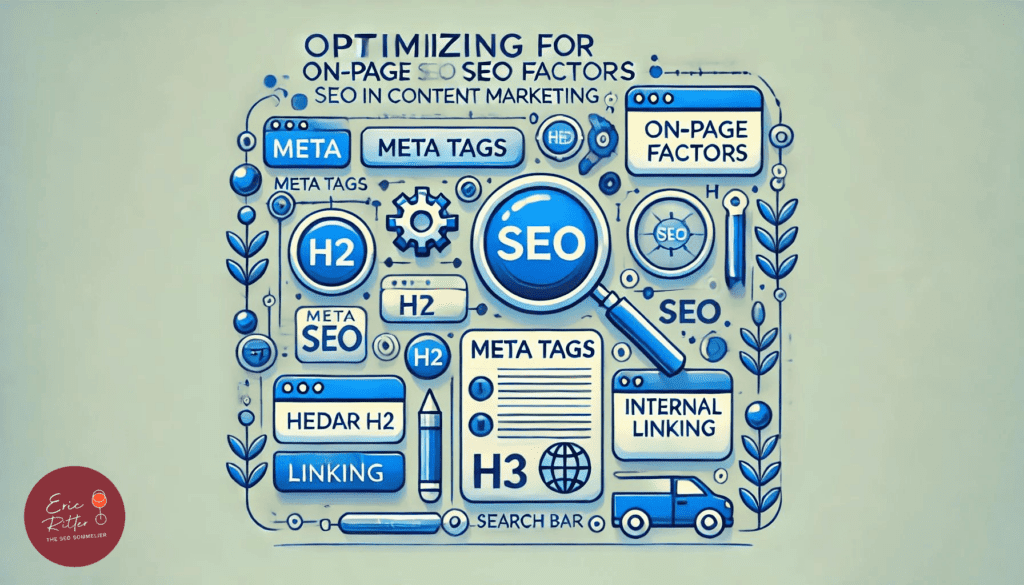
4. Optimize Content for On-Page SEO Factors

Optimize Content for On-Page SEO Factors

On-page SEO is about making your content easy to find and understand for users and search engines.

On-Page SEO Optimization Action Steps:

  • Craft Compelling Meta Titles and Descriptions: Include keywords but focus on writing for clicks.
  • Use Header Tags Strategically: Break content into sections with keyword-rich headings (H2, H3, etc.).
  • Optimize Images: Compress images to improve load speed and include keyword-rich alt text.
  • Add Internal and External Links: Guide readers to other relevant content on your site and link to credible external sources.

On-Page SEO Optimization Helpful Links:

  • Complete Guide to On-Page SEO
  • How to Write SEO-Friendly Meta Tags
  • Best Practices for Image SEO

Pro Tip: Use plugins like Yoast or Rank Math to get real-time feedback on your on-page SEO. These tools offer guidance on keyword usage, readability, and more.

5. Promote Content Through Various Channels

Promote Content Through Various Marketing Channels

Even the best content won’t drive results if it doesn’t reach the right audience. Promotion connects your strategy with distribution channels.

Content Promotion Action Steps:

  • Leverage Social Media: Share content across platforms like LinkedIn, Facebook, and Twitter, tailoring your message for each.
  • Build an Email Strategy: Use newsletters and drip campaigns to keep your audience engaged.
  • Repurpose Content: Transform blog posts into infographics, videos, or social snippets to extend reach.
  • Engage in Content Syndication: Share your content on industry blogs or third-party platforms for more exposure.

Content Promotion Helpful Links:

  • Social Media Content Strategy
  • How to Create an Email Drip Campaign
  • Content Syndication

Pro Tip: Use UTM parameters to track where your traffic is coming from and measure the effectiveness of each promotion channel.

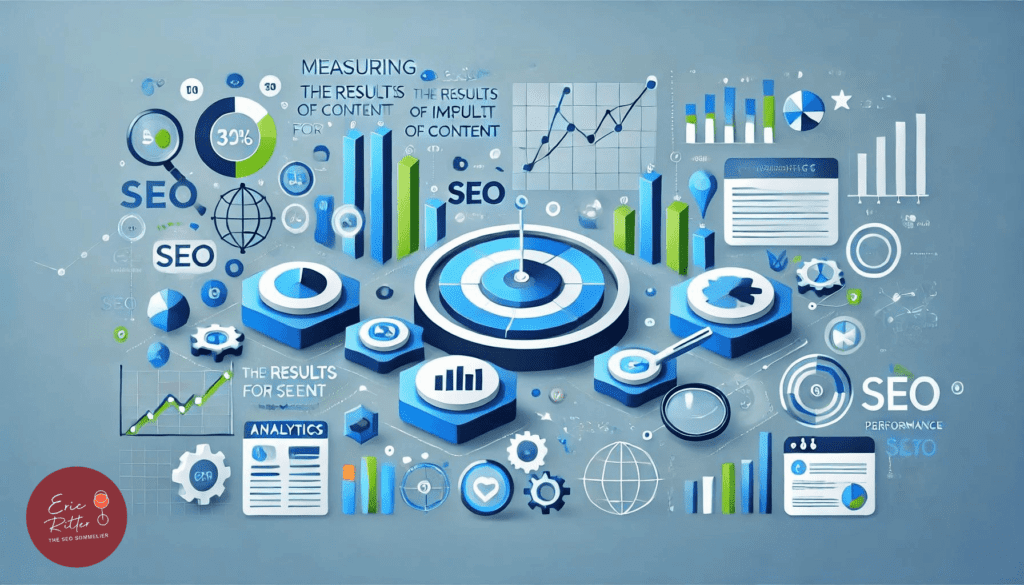
6. Measure the Results and Impact of Your Content Marketing

Measure the Results and Impact of Your Content Marketing

To fine-tune your content strategy, you need to understand what’s working and what’s not. Analytics is the key.

Analytics Action Steps:

  • Set Clear KPIs: Define success metrics—whether it’s traffic, engagement, or conversions.
  • Monitor Content Performance: Track key metrics like page views, bounce rate, and time on page using Google Analytics.
  • Evaluate Keyword Rankings: Keep an eye on how well your content ranks for your target keywords.
  • Adjust Based on Data: Refine your strategy based on performance insights and focus on what works.

Analytics Helpful Links:

  • Google Analytics Beginner’s Guide
  • How to Track Keyword Rankings
  • Content Marketing KPIs

Pro Tip: Don’t forget about qualitative data—get direct feedback from your audience to understand what content resonates most.


Industry Trends in Content Marketing for SEO

The world of content marketing is always evolving. Here are a few trends to watch:

  • The Rise of Video Content: With platforms like YouTube and TikTok leading the charge, video is becoming a dominant form of content.
  • Voice Search Optimization: As voice search grows, optimizing for conversational queries and long-tail keywords is increasingly important.
  • AI-Generated Content: While human-driven content still reigns supreme, AI tools can help streamline content creation and optimization.

Special Content Marketing Considerations for Multi-Location Businesses

If your business operates in multiple locations, your content marketing strategy needs to be adaptable. Here’s how to tailor your approach:

  • Create Location-Specific Pages: Each page should be optimized for the specific location, with unique content and local keywords.
  • Manage Local Listings: Ensure each location’s NAP (Name, Address, Phone) is consistent across directories.
  • Localize Content: Include reviews, testimonials, and blog posts relevant to each community you serve.

Why This Content Marketing for SEO Checklist Is Your Secret Weapon

By following this content marketing for SEO checklist, you’ll be better equipped to attract, engage, and convert your target audience. Whether you’re managing a single brand or multiple locations, these steps will help you build a strategy that works.

Download the Content Marketing for SEO Checklist Now

Ready to dive deeper into content marketing for SEO? Download the full checklist to get step-by-step instructions and pro tips for optimizing your content strategy. If you’re looking for a more personalized assessment, contact Eric Ritter, the SEO Sommelier, for a Neighborly Roadmap tailored to your business.

Filed Under: SEO Tagged With: Featured

Effective Local SEO Strategies for Multi-Location Businesses

July 24, 2024 by Eric Ritter

Running a business with multiple locations can be both exciting and challenging. One of the biggest hurdles is making sure each location gets the online visibility it deserves. That’s where local SEO comes into play. By optimizing your online presence for each specific location, you can attract more local customers and boost your overall brand recognition.

I’ve seen firsthand how effective local SEO can transform businesses. It’s not just about ranking higher on Google; it’s about connecting with your community and becoming the go-to option in your area. Whether you’re a small chain or a large franchise, mastering local SEO can give you a competitive edge. Let’s dive into the strategies that can help your multi-location business thrive in the digital landscape.

Key Takeaways

  • Importance of Local SEO: Essential for boosting online visibility, attracting local customers, and enhancing overall brand recognition for multi-location businesses.
  • Consistent NAP Information: Maintaining uniform Name, Address, and Phone number details across all locations and directories is crucial for accuracy and trust with search engines.
  • Localized Content Creation: Tailoring content to each location, such as blog posts and event announcements, helps engage local audiences and improve local search rankings.
  • Managing Google My Business Listings: Ensuring each location has verified, accurate, and optimized GMB listings is key to increasing local search visibility.
  • Utilizing Tools and Resources: Employ SEO analysis and citation management tools like Google Analytics, SEMRush, Yext, and BrightLocal to streamline the optimization process and track performance.
  • Responding to Reviews: Actively monitoring and responding to online reviews enhances credibility and improves local SEO, contributing positively to customer trust and engagement.

Understanding Local SEO

Local SEO focuses on optimizing a business’s online presence to attract local customers. For multi-location businesses, this process includes creating and managing separate profiles for each location on platforms like Google My Business (GMB). Each profile helps potential customers find store addresses, phone numbers, and operating hours.

Google My Business: Each location needs a verified GMB listing. Accurate and consistent information across listings improves local search rankings. Include relevant keywords, high-quality images, and engaging descriptions.

Localized Content: Creating location-specific content on the business website enhances local relevance. Blog posts, landing pages, and event announcements tailored to each location show search engines that the business engages with local communities.

Local Citations: Directories like Yelp, TripAdvisor, and Yellow Pages list business information. Ensure consistency across all listings to avoid confusion and improve search engine credibility.

Reviews and Ratings: Positive reviews impact local rankings. Encourage satisfied customers to leave reviews on GMB and other platforms. Respond to reviews to show engagement and address concerns.

Backlinks and Local Sponsorships: Backlinks from local websites boost a business’s local SEO. Partner with local organizations and sponsor community events to earn these valuable links.

Consistency in information and a focus on local engagement drive successful local SEO for multi-location businesses.

Importance of Local SEO for Multi Location Businesses

Local SEO is crucial for multi-location businesses to enhance their visibility and attract local customers. Optimizing online presence ensures each location reaches its target audience effectively.

Benefits of Local SEO

Local SEO offers several advantages for multi-location businesses:

  1. Increased Visibility: Local SEO increases visibility on search engines for location-based searches, helping potential customers find specific businesses.
  2. Targeted Traffic: Businesses attract more relevant customers by optimizing for local keywords, enhancing conversion rates.
  3. Brand Trust: Appearing in local search results builds trust with local customers, providing a credibility boost.
  4. Competitive Edge: Local SEO gives businesses a competitive edge by optimizing for regional markets, outperforming competitors lacking local focus.

Challenges Faced by Multi Location Businesses

Multi-location businesses encounter unique challenges when implementing local SEO:

  1. Consistency in NAP: Maintaining consistent NAP (Name, Address, Phone number) information across all locations can be difficult but is essential for accuracy.
  2. Localized Content Creation: Creating and managing localized content for each location requires resources and strategy to ensure relevance.
  3. Review Management: Managing and responding to reviews across multiple locations necessitates a dedicated approach for consistency and engagement.
  4. Local Citation Management: Keeping citations accurate and up-to-date in local directories for each location can be complex and time-consuming.

Effective local SEO implementation for multi-location businesses provides a significant advantage by enhancing local presence, building trust, and driving traffic.

Key Strategies for Local SEO

Effective local SEO for multi-location businesses involves several key strategies. These are the backbone for boosting online presence in specific local markets.

Consistent NAP (Name, Address, Phone Number)

Maintaining consistent NAP information across all online platforms is crucial. Search engines rely on this consistency to verify business legitimacy. Any discrepancies between listings can confuse customers and reduce search engine trust, impacting rankings negatively. For example, ensure that the NAP details in Google My Business (GMB), Yelp, and the business website match exactly.

Localized Content Creation

Creating localized content helps in reaching target audiences more effectively. By tailoring content to reflect local events, news, and trends, businesses can engage local customers better. For example, blog posts about community events or local partnerships can resonate more with local customers. Additionally, localized keywords should be integrated into the content to improve search ranking in those specific areas.

Managing Google My Business Listings

Managing GMB listings for each business location is essential. Accurate and detailed GMB profiles enhance visibility in local searches. Ensure that each location has an optimized GMB listing with accurate NAP details, relevant business categories, high-quality photos, and regular updates. Encouraging local reviews on GMB can also improve credibility and boost local SEO efforts.

Tools and Resources for Effective Local SEO

Optimizing local SEO for multi-location businesses requires the right tools and resources. These tools streamline the process and provide valuable insights to enhance visibility and credibility.

SEO Analysis Tools

I leverage SEO analysis tools to monitor and improve website performance. Tools like Google Analytics and SEMRush offer insights into user behavior, traffic patterns, and keyword rankings, enabling me to adjust strategies based on data. Moz Local helps track local search performance, offering metrics on visibility and engagement. By using these tools, I can identify areas for improvement and measure the impact of SEO efforts.

Citation Management Tools

I ensure consistency in business information across directories using citation management tools. Yext and BrightLocal help manage NAP (Name, Address, Phone number) data, ensuring all listings are accurate and up-to-date. These tools also identify and rectify inconsistencies, which can significantly affect local search rankings. With Whitespark, I track and build citations, enhancing local presence and credibility.

By implementing these tools, I can effectively manage local SEO for multi-location businesses, driving targeted traffic and improving search engine rankings.

Case Studies of Successful Multi Location SEO Campaigns

Examining successful multi-location SEO campaigns offers valuable insights into effective strategies and their outcomes. Let’s delve into some notable case studies.

Case Study 1

A national retail chain with over 50 locations embarked on a local SEO overhaul. Each store’s Google My Business listing was meticulously optimized. Consistent NAP information across directories was ensured, enhancing local search visibility. Implementing localized keyword strategies and encouraging customer reviews contributed significantly. As a result, the chain saw a 20% increase in foot traffic and a 35% rise in online inquiries within six months. This case emphasizes the importance of detailed local listing management and genuine customer engagement.

Case Study 2

A restaurant franchise with 30 locations aimed to dominate local search results. They started by creating unique, location-specific landing pages. Each page featured localized content, including menu items, events, and customer testimonials. The business used Google Analytics to monitor performance and fine-tuned their strategies based on real-time data. Local social media campaigns and influencer partnerships were also leveraged. Within a year, the franchise experienced a 40% growth in local organic traffic and a 25% boost in reservations, underscoring the power of tailored local content and data-driven adjustments.

Common Mistakes to Avoid

Multi-location businesses often face challenges in local SEO. Arising issues harm search rankings. Avoid these frequent mistakes to improve your local presence.

Ignoring Online Reviews

Online reviews significantly affect local SEO. Many ignore customer feedback, resulting in lower credibility. Regularly monitor and respond to reviews on platforms like Google My Business and Yelp. Address negative reviews constructively. Happy customers leave positive feedback, improving your reputation.

Inconsistent Information Across Listings

Consistency is crucial for local SEO. Inconsistent NAP (Name, Address, Phone number) information creates confusion. Ensure all listings on Google My Business, Yelp, and directories have the same NAP details. Inconsistent info also affects search engine trust. Regularly audit listings to maintain accuracy. Use tools like Yext or BrightLocal for streamlined management.

Conclusion

Local SEO for multi-location businesses isn’t just a strategy; it’s a necessity for staying competitive. By focusing on consistent NAP information, engaging with local communities, and leveraging powerful tools, you can significantly enhance your online presence. Remember the value of reviews and the impact of localized content on your search rankings. Regular audits and data-driven adjustments will keep your SEO efforts on track. With these practices in place, you’ll not only improve your search visibility but also drive more foot traffic and online inquiries to your business locations.

Frequently Asked Questions

What is local SEO, and why is it important for multi-location businesses?

Local SEO focuses on optimizing a business’s online presence to attract more customers from relevant local searches. For multi-location businesses, it helps drive foot traffic and online inquiries specific to each location, increasing overall visibility and customer engagement.

How can multi-location businesses maintain consistent NAP information?

Ensure all listings on directories and platforms like Google My Business and Yelp have the same Name, Address, and Phone number (NAP). Regularly audit listings using tools like Yext or BrightLocal to keep information accurate and consistent.

What are some effective strategies for local SEO?

Effective local SEO strategies include maintaining consistent NAP information, creating localized content, managing Google My Business listings, encouraging customer reviews, and using localized keywords.

How can a business optimize its Google My Business listing?

Optimize your Google My Business listing by providing comprehensive business information, adding high-quality photos, regularly updating posts, responding to reviews, and ensuring consistent NAP details.

Why is local engagement crucial for multi-location businesses?

Local engagement builds a loyal customer base, encourages reviews, and improves local search rankings. Engaging with the community through events, social media, and partnerships can boost local credibility and visibility.

What tools are recommended for managing local SEO?

Essential tools include Google Analytics for tracking performance, SEMRush for keyword research, Yext and BrightLocal for listing management, and Whitespark for citation building.

How do reviews impact local SEO credibility?

Reviews influence consumer trust and search engine rankings. Positive reviews can enhance credibility and attract more customers, while consistently managing and responding to reviews helps maintain a strong online reputation.

What are common mistakes in local SEO to avoid?

Avoid ignoring online reviews, having inconsistent NAP information, and neglecting regular audits of your listings. These mistakes can harm your local credibility and search engine rankings.

How can localized content benefit multi-location businesses?

Localized content targets specific audiences, making sure your message resonates with local customers. It improves engagement, local search rankings, and relevance to each specific location.

Filed Under: SEO

  • Page 1
  • Page 2
  • Page 3
  • Page 4
  • Go to Next Page »

Primary Sidebar

Recent Posts

  • Authentic Visibility for Law Firms
  • Networking For Lawyers: Build Trust, Boost Business
  • Personal Branding For Attorneys
  • How Law Firms Can Dominate Local Search
  • Growing Your Business With Structure

Recent Comments

  1. christiano on Leadership Lessons from Who Moved My Cheese?
  2. Peter Sammarco on Leadership Lessons from Who Moved My Cheese?
  3. BF on Leadership Lessons from Who Moved My Cheese?
  4. Eric Ritter on Leadership Lessons from Who Moved My Cheese?
  5. Ginger Battle on Leadership Lessons from Who Moved My Cheese?

Copyright © 2026 · Genesis Child on Genesis Framework · WordPress · Log in